F1计划2030年回归V8涡轮引擎
国际汽联宣布,管理机构、F1管理层与动力单元制造商已就2030赛季起改用2.1升涡轮增压V8引擎、降低混合动力输出达成一致,但规则仍需正式批准。
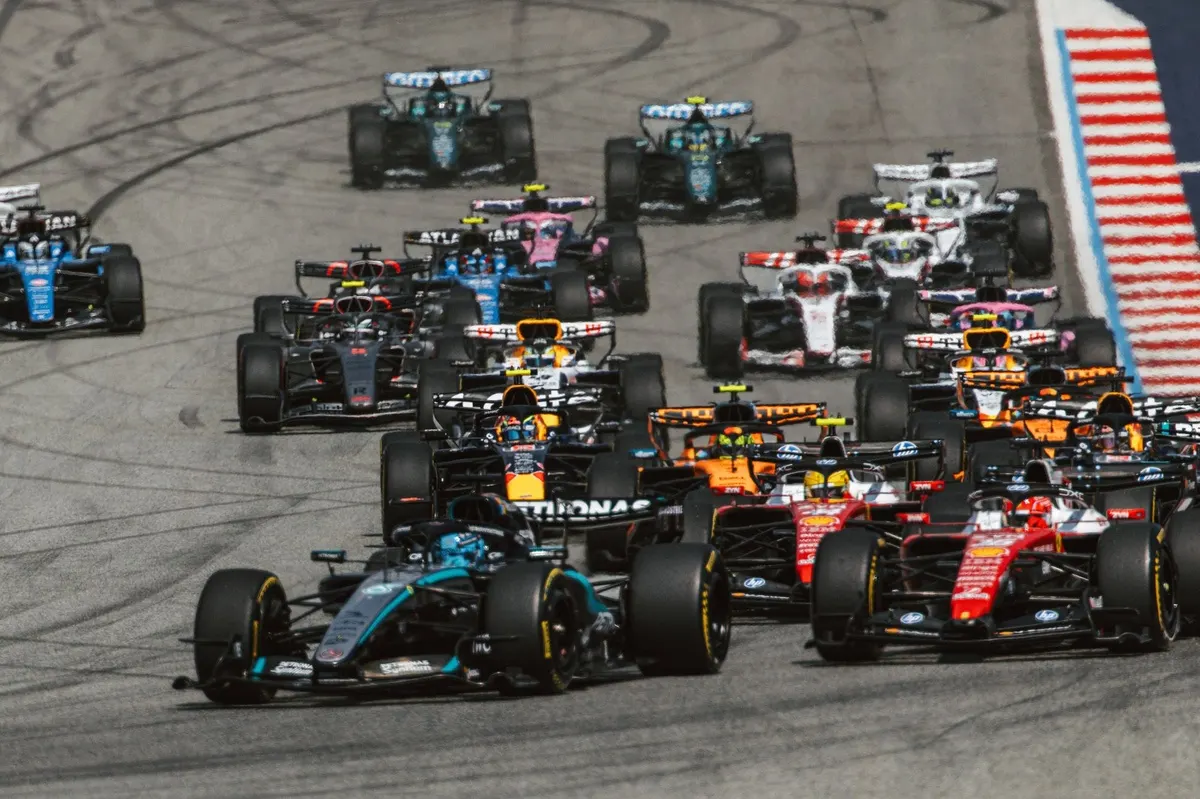
F1计划2030年回归V8涡轮引擎
国际汽联表示,各方一致支持采用2.1升涡轮增压V8引擎并降低混合动力输出,但相关规则仍需正式批准
国际汽联宣布,管理机构、F1管理层与动力单元制造商已达成一致,F1因此距离2030赛季回归V8引擎更近一步。
F1长期致力于为从2031年开始的下一轮规则周期打造更便宜、更简单的引擎,因为其已认识到当前动力单元过于复杂、物理重量偏大,是公路汽车行业另一发展方向的遗留产物。
国际汽联本可以将该系列赛未来的动力单元法规设定在2031年,即当前周期结束时,但这项运动内部已广泛达成一致,将这一时间表提前一年,推动者包括主席穆罕默德·本·苏拉耶姆和F1首席执行官斯特凡诺·多梅尼卡利。
因此,在F1委员会和动力单元咨询委员会最近的会议之后——会上讨论了方程式、时间表和成本等关键方面——各方广泛支持将下一代引擎法规提前一年,并缩短当前法规的期限。共识是F1转向2.1升涡轮增压V8引擎,搭配200千瓦的较小电动组件,其中一半将专门保留用于超车模式。
2.1升的排量是以当前1.6升V6方程式为起点推导而来,增加两个气缸旨在降低开发成本。
在周二宣布计划流产之后,国际汽联现已正式确认,其利益相关方一致支持将这一转变提前至2030年。
国际汽联周五表示:“国际汽联公布了将于2030年引入的F1动力单元规则,选用2.1升涡轮增压V8作为动力单元,并沿用部分几何规格。”
“首要目标是提供一种比当前动力单元简单得多、更轻且更便宜的动力单元。它将采用有限的混合动力技术,即相关且可持续的技术,旨在提升进攻性赛车风格以及让车迷产生共鸣的声浪。”
“此外,计划是将V8动力单元与同样更轻、更灵活、更强调车手技术和近距离竞争的底盘相结合。”
本·苏拉耶姆补充道:“这项协议标志着塑造一级方程式未来的一个重要里程碑。”
“从一开始,我就明确表达了我的雄心:为车迷打造一项更具竞争力、更激动人心的运动,同时始终站在创新与可持续发展的前沿。”
“V8引擎的回归代表着一个重新连接这项锦标赛DNA的机会,带回全世界所喜爱的声浪、情感和纯粹的赛车。”
“我们的愿景很明确:更轻、更简单、更实惠的赛车,让车手技术成为竞争的核心。”
2030年动力单元规则仍需世界汽车运动理事会和动力单元制造商正式投票通过,包括动力单元成本上限确切水平在内的若干细节仍有待商定。
英文原文
Formula 1 set for V8 turbo return in 2030
The FIA says there is unanimous support for a 2.1-litre turbocharged V8 with reduced hybrid power, although the regulations still require formal approval
Formula 1 has moved closer to a return to V8 engines from the 2030 season as the FIA announced that a unanimous agreement has been reached between the governing body, F1 management and the power unit manufacturers.
F1 has long worked towards cheaper and simpler engines for the next regulation cycle, which starts in 2031, having recognised the current formula is too complex and physically heavy, and a relic of a different direction in the road car industry.
The FIA could have set the series’ future power-unit regulations for 2031, when the current cycle ends, but there has been broad alignment within the sport to bring that timeline forward by one year, driven by both president Mohammed Ben Sulayem and F1 CEO Stefano Domenicali.
So following recent gatherings by the F1 Commission and power unit advisory committee, where key aspects like the formula, timelines and costs were discussed, there had been broad support to bring forward the next generation of engine regulations by one year and curtail the current formula. The consensus is for F1 to move to a 2.1-litre turbocharged V8 engine with a smaller electric component of 200kW, half of which will be ringfenced for overtake-mode use.
The 2.1-litre capacity is derived from the current 1.6-litre V6 formula as a starting point, with two additional cylinders intended to reduce development costs.
After an aborted announcement on Tuesday, the FIA has now officially confirmed there is unanimous support among its stakeholders about bringing that move forward to 2030.
"The FIA presented F1 Power Unit regulations for introduction from 2030 with a 2.1 litre turbocharged V8 as the power unit of choice carrying over some geometrical specifics," the governing body said on Friday.
"The overriding objective is to deliver a power unit which is a lot less complex, lighter and cheaper than the current power units. It will feature limited hybridisation, relevant and sustainable technology with the aim of enhancing attack-oriented racing and a sound which resonates with fans.
"Additionally, the plan is to marry the V8 power unit to a chassis which will also be lighter, more agile and placing greater emphasis on driver skill and close racing. "
Ben Sulayem added: "This agreement marks a significant milestone in shaping the future of Formula 1.
“From the outset I have been clear in my ambition to deliver a sport that is more competitive and more exciting for our fans, while remaining at the forefront of innovation and sustainability.
"The return of V8 engines represents an opportunity to reconnect with the DNA of this championship, bringing back the sound, emotion and pure racing that is loved worldwide.
“Our vision is clear, lighter, simpler and more affordable cars that put driver skill at the heart of the competition."
The 2030 power unit rules still need to be formally voted through by the World Motor Sport Council and by the power unit manufacturers, with a number of finer details, including the exact level of the power-unit cost cap, still to be agreed.
Motorsport.com ·
内容来自公开信源,聚合内容版权归原作者与来源所有。