1980年F1世界冠军艾伦·琼斯逝世享年80岁
1980年世界车手冠军、澳大利亚的艾伦·琼斯在黄金海岸逝世,享年80岁。
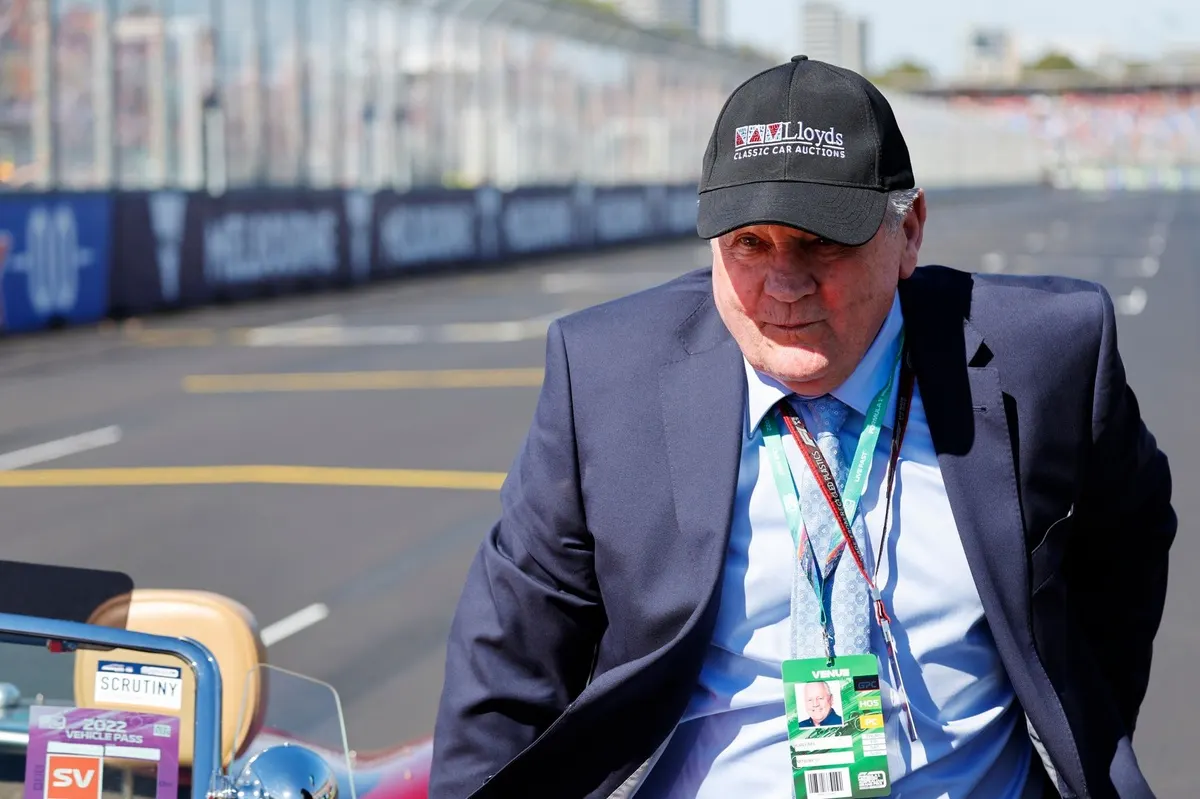
1980年F1世界冠军艾伦·琼斯逝世享年80岁
澳大利亚1980年一级方程式世界冠军艾伦·琼斯因短期疾病逝世,享年80岁,留下了包括12场大奖赛胜利和威廉姆斯车队首个车手总冠军在内的辉煌成就
1980年世界车手冠军、澳大利亚的艾伦·琼斯周四在黄金海岸逝世
琼斯家人发表声明称,他因短期疾病去世。享年80岁。
“我们非常悲痛地宣布,我们深爱的艾伦于11月5日因短期疾病去世,”巴特勒-戴维斯说。
他将被与他最亲近的人以及一直支持他的众多粉丝深深怀念。
艾伦将一生奉献给赛车运动,他留下的遗产将通过他沿途所触及的无数人继续传承。
通过他在赛道上和赛道下的成就、激情和无可置疑的性格,艾伦在国内外体育界留下了持久的印记。
“作为一个家庭,我们想借此机会感谢所有参与艾伦旅程多年友谊、爱和支持的人。他非常幸运,身边有这么多美好的人。”
琼斯于1946年出生于墨尔本,是商人兼赛车手斯坦·琼斯的儿子,在父亲在1959年朗福德澳大利亚大奖赛获胜时,他在场边观看。年轻的琼斯在1980年卡尔德公园重复了这一壮举,成为最后一位赢得这场比赛的澳大利亚车手,这场比赛被认为是世界上第二古老的Grand Prix。
琼斯在20世纪60年代在英国赛车界小试牛刀后回到澳大利亚,然后在1970年搬到伦敦。他花了三年时间才确立自己的地位,1973年在银石赢得了他的第一个Formula 3赛事,同年他在GRD赛车中获得了英国F3锦标赛的亚军。
弗兰克·德尼、弗兰克·威廉姆斯和艾伦·琼斯
1975年,他在西班牙大奖赛上驾驶Hesketh赛车首次亮相一级方程式赛车,在那个赛季结束后,他转投Graham Hill的团队,后来又加入了Surtees车队。
那个车队也即将关闭,Jones的职业生涯似乎陷入了停滞——直到Shadow车队在南非失去了领队车手Tom Pryce后,向他伸出了橄榄枝。在一段童话般的结果中,Jones在奥地利赛道上,在湿滑的赛道上表现出色,途中超越了当地英雄Niki Lauda,为自Sir Jack Brabham退役以来首位赢得比赛的澳大利亚车手。
法拉利车队在1978年对Jones进行了试探,Jones以为他已经达成了协议——然而Enzo 法拉利反悔了,签下了Gilles Villeneuve。Jones最终只得到了来自低级别威廉姆斯车队的报价,车队老板Frank 威廉姆斯和Patrick Head对车队有着宏伟的计划。
Jones几乎驾驶威廉姆斯 FW06赛车在长滩赛道赢得了胜利,但被损坏的机翼阻止了他,然后在布兰兹哈奇赛道,变速箱又出现了问题。在美国大奖赛中,他排在Carlos Reutemann驾驶的法拉利赛车之后,而新的FW07赛车正在Grove完成。
一旦琼斯和他的新队友克莱·雷加佐尼掌握了赛车,他们几乎立刻看起来就像赢家。琼斯在银石赛道领先一大截,直到水泵故障,让瑞士人赢得了车队的第一场胜利。琼斯随后接管了比赛,赢得了剩余六场大奖赛中的四场,最终在锦标赛中排名第三,仅次于乔迪·谢克特和吉尔斯·维伦纽夫。
1980年,琼斯赢得了五场大奖赛——阿根廷、法国、英国、加拿大和美国——从而赢得了世界冠军,并在卡尔德尔的非锦标赛胜利中结束了这一年。
1981年,他又一次表现出色,带领威廉姆斯车队赢得了车队冠军,并在车手冠军的争夺中与纳尔逊·皮克特展开了激烈的竞争。琼斯只赢得了两次胜利,分别在长滩和拉斯维加斯,一系列的未完成比赛和旅行的压力导致他在赛季结束时宣布退役。
他在国内参加了GT赛车和开放式赛车比赛,但回归的渴望太过强烈。1983年,他在长滩赛道驾驶了一辆阿罗尔斯赛车,次年休息了一年,然后在1985年以贝阿特里斯-哈斯车队回归,最初参加了三场大奖赛,然后在1986年完成了整个赛季。他没有再赢得任何比赛,并在赛季结束时退役。
回到澳大利亚,他在后来成为V8 Supercars的比赛中参赛,1995年取得了最佳成绩第二名,甚至还与保时捷和丰田以及Newman-哈斯的CART车队一起参加了赛车运动(包括勒芒)。他在2002年作为迪克·约翰逊赛车队的巴瑟斯特1000公里耐力赛的副驾驶完成了他在职业赛车运动中的最后一次比赛。
在持续的职业赛车运动生涯中,琼斯还取得了成功的媒体生涯,多年来担任澳大利亚一级方程式电视转播的解说员。就像他当时在驾驶舱里一样,他并不害羞,并且直言不讳地表达自己的看法。
琼斯因对赛车运动的贡献于1980年获得了MBE勋章,并于1985年被选入澳大利亚体育名人堂。
他留下了他的妻子和他的六个孩子,克里斯蒂安、艾米伯、扎拉、杰克、卡米拉和艾玛。
英文原文
1980 F1 world champion Alan Jones dies aged 80
Australia's 1980 Formula 1 world champion Alan Jones has died aged 80 following a short illness, leaving behind a legacy that includes 12 grand prix victories and Williams' first Drivers' Championship title
The 1980 World Drivers’ Champion, Australia’s Alan Jones, died on the Gold Coast on Thursday.
In a statement released on behalf of Jones's family, his wife, Amanda Butler-Davis, said he died following a short illness. He was 80.
“We are extremely saddened to announce the passing of our beloved Alan, who passed away on 5 November following a short illness,” Butler-Davis said.
“He will be dearly missed and fondly remembered by those closest to him, as well as the many fans whose support he was always grateful for.
“Alan dedicated his life to motorsport, building a legacy that will live on through the countless people he touched along the way.
“Through his achievements, passion and unmistakable character, both on and off the track, Alan left an enduring mark on the sport both nationally and across the globe.
“As a family, we would like to take this opportunity to thank everyone who was part of Alan's journey for the many years of friendship, love and support. He was incredibly fortunate to have so many wonderful people around him.”
Jones was born in Melbourne in 1946, the son of businessman and racer Stan Jones, and watched from the sidelines when his father won the 1959 Australian Grand Prix at Longford. The younger Jones repeated the feat at Calder Park in 1980 and remains the last Australian driver to have won the race, which is considered the second-oldest Grand Prix in the world.
Jones dabbled in racing in the UK in the 1960s before returning to Australia, before he moved to London in 1970. It took three years for him to establish himself, winning his first Formula 3 race at Silverstone in 1973, the same year he took second in the British F3 championship in a GRD.
Frank Dernie, Frank Williams and Alan Jones
In 1975 he made his Formula 1 debut at the Spanish Grand Prix, in a Hesketh, and when that team shut at the end of the season he moved to Graham Hill’s team, then to Surtees.
That team also was to close and Jones’s career looked to have stalled – until Shadow called, having lost lead driver Tom Pryce in a tragic crash in South Africa. In a fairytale result, Jones won in Austria, after a brilliant drive on a wet track, passing local hero Niki Lauda on the way to the first win for an Australian since the retirement of Sir Jack Brabham.
Ferrari sounded Jones out for 1978 and Jones thought he had a deal – until Enzo Ferrari reneged, and signed Gilles Villeneuve. Jones was left with an offer from the lowly Williams team, for which owners Frank Williams and Patrick Head had big plans.
Jones nearly took the Williams FW06 to the win at Long Beach, but for a broken wing, then again at Brands Hatch, where a gearbox broke. In the US Grand Prix, he was second to Carlos Reutemann’s Ferrari while a new car, the FW07, was being finished back at Grove.
Once Jones and new team-mate Clay Regazzoni got their hands on the car, they looked like winners nearly immediately. Jones led by a mile at Silverstone until a water pump failed, allowing the Swiss to take the team’s maiden victory. Jones then took over, winning four of the remaining six GPs, to take third in the championship, behind Jody Scheckter and Gilles Villeneuve.
Jones won five grands prix in 1980 — Argentina, France, Britain, Canada and the USA — to claim the world title, topping off the year with the non-championship win at Calder.
In 1981 he again was in fine form, leading Williams to the Constructors’ title and pushing Nelson Piquet hard in the fight for the Drivers’ crown. Jones won only twice, at Long Beach and Las Vegas, and a series of DNFs and the stress of travel led him to announce his retirement at the end of the season.
He raced at home, in GT cars and open-wheelers, but the itch to return was too much. He drove an Arrows at Long Beach in 1983, took the following year off, then returned a year later with the Beatrice-Haas team, first for three GPs and then a full season in 1986. There were no more wins to add to his tally, and he retired at the end of the season.
Back in Australia he raced in what became V8 Supercars, with a best result of second in 1995, and even raced sports cars (including Le Mans) with Porsche and Toyota and CART with Newman-Haas. He made his last start in professional motor racing in 2002, as a Bathurst 1000 co-driver with Dick Johnson Racing.
Alongside his ongoing motorsport career Jones went on to have a successful media career, as a commentator on Australia’s Formula 1 TV coverage, for many years. Just as he was when he was in the cockpit, he was not shy, and called things the way he saw them.
Jones was awarded an MBE for services to motor racing in 1980, and inducted into the Sport Australia Hall of Fame in 1985.
He is survived by his wife and his six children, Christian, Amber, Zara, Jack, Camilla and Emma.
Motorsport.com ·
内容来自公开信源,聚合内容版权归原作者与来源所有。