阿斯顿·马丁墨西哥大奖赛前已知无法完赛,本田推出新对策
阿斯顿·马丁在墨西哥大奖赛前已知无法完赛,本田推出新对策应对高海拔挑战。
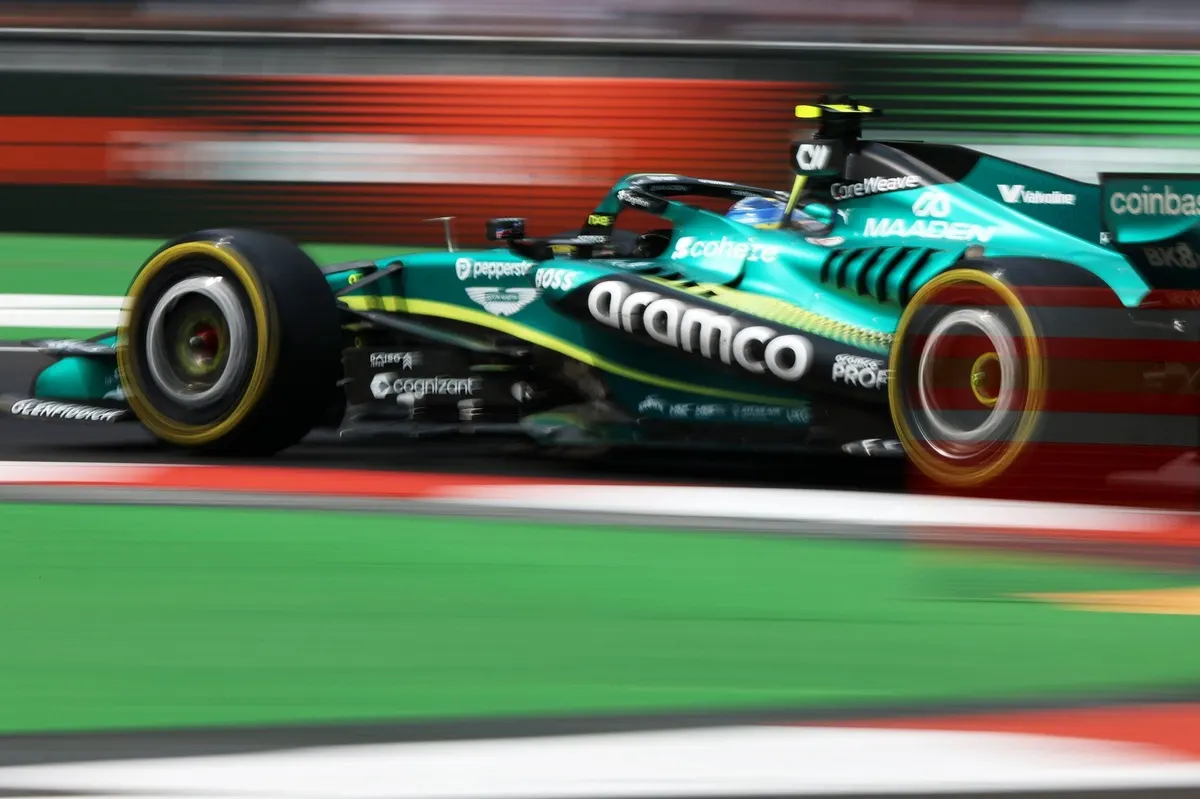
阿斯顿·马丁在墨西哥大奖赛前已知无法完赛,本田推出新对策
Mike Krack承认周日早上就已经很清楚,对于本田来说在高海拔完成比赛将极其困难。这家日本制造商主要希望从这次经验中学习,为明年做准备。
在墨西哥大奖赛前,本田已经承认在墨西哥阿维罗曼诺斯·罗德里格斯赛道(海拔2286米,是F1赛历中最高的赛道)的比赛周末将是一个相当大的挑战。
当时的主要问题是极端的涡轮迟滞,这已经在新加坡出现过问题,尽管本田补充说可靠性也将受到压力。
后者在周六和周日都得到了证明。在排位赛中,尽管费尔南多·阿隆索表现出极高的速度,但他被指示将赛车停放在Foro Sol,而在比赛中阿斯顿·马丁的情况也没有好多少。阿隆索和兰斯·斯特罗尔在比赛开始后的五圈被迫退赛,车队将其描述为"动力单元系统中的异常压力水平"。
在圣保罗大奖赛之前的媒体日上,这是美国三连赛的最后一站,本田首席工程师Shintaro Orihara解释了出了什么问题。
"我无法过多地详细解释,但我可以给你一些想法。在比赛中,我们有到起点的圈数,这是一个独特的点。在排位赛中,我们有一个轮胎准备圈。我们在练习中也有同样的圈数,但总是在不同的情况下。
"所以在这种情况下,我们的引擎表现有些异常,不符合预期。我们从引擎中得到了一些ERS冷却的应力,然后我们在排位赛和这些特殊情况下发生了MGU-K故障,"Orihara解释说。
“那是因为墨西哥的高海拔条件。在这里的巴西,虽然和墨西哥不完全一样,但仍然是高海拔。因此,我们为这次赛事带来了相应的对策,不仅在硬件方面,也在软件方面,以提高我们在这种条件下的稳健性。”
阿斯顿·马丁的首席赛道工程师迈克·克拉克透露,在比赛之前,团队就已经知道两辆车都无法在墨西哥完成比赛。
“是的,我们比周日早上知道得更早。”
在大奖赛之前,阿斯顿·马丁和本田仍然进行了各种情景模拟,看看他们如何尽可能长时间地保持车辆运行。
“我认为在准备阶段你需要保持现实,你需要讨论在比赛中你有哪些可能性。虽然不多,但还有一些,所以我们一起讨论了不同级别的升级可能是什么,”Krack说。
“第一个显然是自由空气,但之后你还可以使用档位,你也可以降低功率,你有许多需要讨论的选项。我们已经讨论了这些事情,但我们并没有讨论到那个程度,”Krack说,指的是每辆车只完成了五圈。
“你有一份可以拉取的选项列表,但我们很快意识到这些选项是不够的,然后就没有什么可以做的了。”
“尽管对策应该已经在某种程度上改善了巴西的情况——在那里稀薄的空气不再是极端因素——但本田公司明确表示,学习过程主要关注明年。到那时,这家日本制造商希望不仅在纯性能方面,而且在可靠性方面取得重大进步。”
“本田这边这场比赛很艰难,所以我理解这对车手来说是多么令人沮丧。我们的学习点是,在特殊情况下,我们的引擎有一些缺乏坚固性”,奥里哈拉承认。
“所以我们可以从那种类型的问题中学到一些东西,并将这些经验带回工厂,看看我们如何防止这些事情再次发生。”
“目前我们的工厂正专注于2027年的动力单元,因此我们可以将这次经验应用到提高明年引擎的坚固性上。对我们来说,这是一场艰难的比赛,但我们把这些经验带入明年的引擎。”
英文原文
Aston Martin knew before Mexico GP it would not finish, Honda brings new countermeasures
Mike Krack admits it was already clear on Sunday morning that it would be extremely difficult for Honda to complete the race at high altitude. The Japanese manufacturer is primarily hoping to learn from the experience for next year
Ahead of the Mexico Grand Prix, Honda had already acknowledged that the race weekend at the Autodromo Hermanos Rodriguez – at 2,286 metres above sea level, the highest circuit on the Formula 1 calendar – would be a considerable challenge.
At that point, the main concern was extreme turbo lag, which had already been a problem in Singapore, although Honda added that reliability would also come under pressure.
The latter proved to be the case on both Saturday and Sunday. During qualifying, Fernando Alonso was instructed to park his car in the Foro Sol despite showing highly promising pace, and things did not go much better for Aston Martin during the race. Both Alonso and Lance Stroll were forced to retire after five laps, with what the team described as "abnormal pressure levels in the PU systems".
During the media day ahead of the Sao Paulo Grand Prix, the final leg of the American triple-header, Honda's chief engineer Shintaro Orihara explains what went wrong.
"I can't explain it in too much detail, but I can give you some ideas. In the race, we have the laps to the grid, that is a kind of unique point. And also in qualifying, we have a tyre preparation lap. We have the same laps in practice, but always in different situations.
"So in those special circumstances our engine behaved a little bit abnormal, not as expected. We got some stress on our ERS cooling from the engine, and then we got some failure on our MGU-K that happened in qualifying and during the race in these special circumstances", Orihara explained.
"That's because of the high-altitude condition in Mexico. Here in Brazil, it’s not the same as in Mexico, but still high altitude. So we are bringing some countermeasures for this event, not only on the hardware side, but also on the software side to improve our robustness in that condition."
Aston Martin's chief trackside engineer Mike Krack reveals that the team already knew before the race that neither car would be able to reach the finish in Mexico.
"Yeah, we knew that a bit earlier than Sunday morning."
Ahead of the Grand Prix, Aston Martin and Honda nevertheless went through various scenarios to see how they could keep the cars running for as long as possible.
"I think you need to be realistic when you prepare, you need to discuss what are the possibilities that you have in the race. There are not many, but there are still a few, so we discussed together what the different levels of escalation could be", Krack said.
"The first one is obviously free air, but then you also have gear usage, you can also turn the power down, there are many options that you have to discuss. We have discussed those thing, but we didn't get that far", Krack said, referring to the fact that each car completed just five laps.
"You have a list of options that you can pull, but we quickly realised that they were insufficient, and then there is nothing you can do."
Although the countermeasures should already improve matters somewhat in Brazil – where the thin air is less of an extreme factor – Honda makes it clear that the learning process is primarily focused on next year. By then, the Japanese manufacturer hopes to make a significant step forward not only in terms of outright performance, but also in terms of reliability.
"That was a hard race for Honda’s side, so I understand how frustrated that event was for the drivers. The learning point is that our engine, in special circumstances, there's some lack of robustness", Orihara admitted.
"So we can always learn something from that type of problem and we bring these learnings back to the factory, to see how we can prevent those things from happening again in the future.
"At this moment our factory is focusing on the 2027 power unit, so we can apply this experience to improve our robustness of next year's engine. That was a tough race for us, but we bring those experiences into next year's engine."
Motorsport.com ·
内容来自公开信源,聚合内容版权归原作者与来源所有。