克里斯蒂安·霍纳解释为何维斯塔潘的“异常”驾驶风格摧毁队友
红牛车队前负责人克里斯蒂安·霍纳最近对这一现象进行了技术解释。在《高性能》播客中,霍纳透露,维斯塔潘的“异常”驾驶风格使得队友难以驾驶。
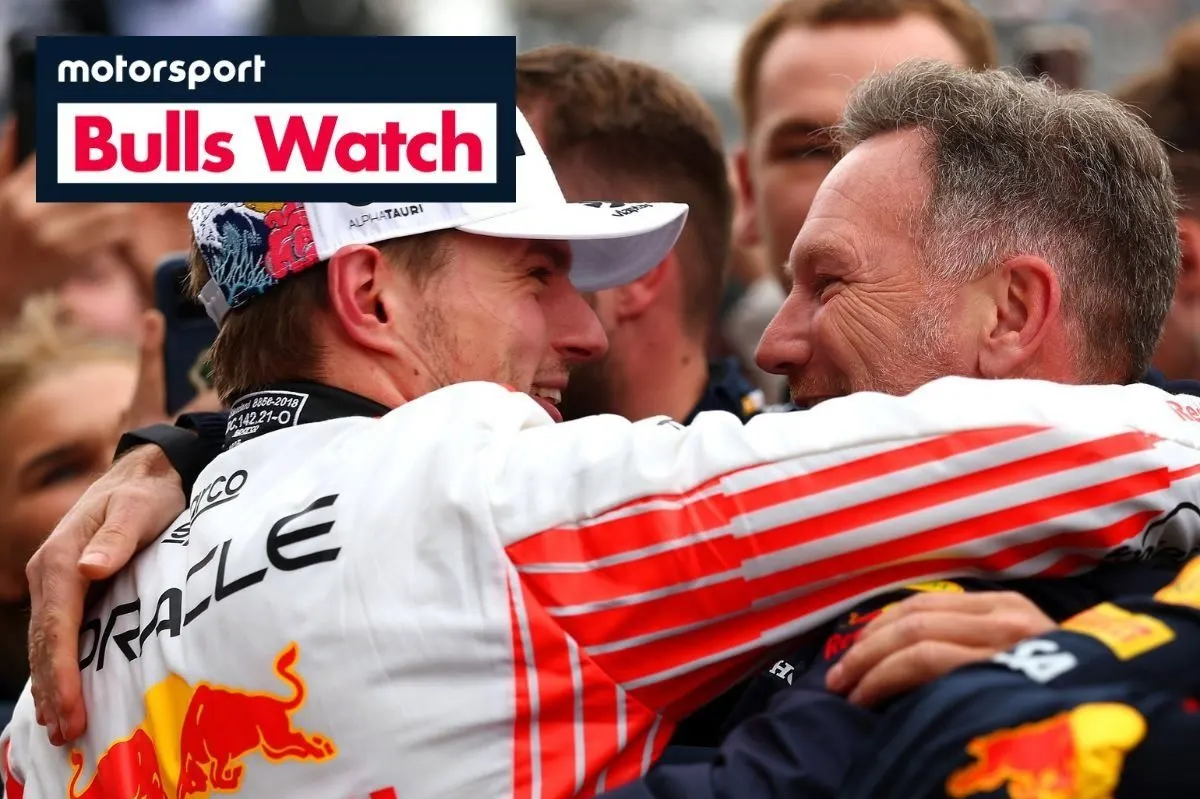
克里斯蒂安·霍纳解释为什么维斯塔潘的“异常”驾驶风格摧毁他的队友
前红牛车队负责人克里斯蒂安·霍纳解释了马克斯·维斯塔潘的“异常”驾驶风格是如何使得车辆对队友来说难以驾驶的
马克斯·维斯塔潘、红牛车队、克里斯蒂安·霍纳、红牛车队
对于红牛车队的粉丝来说。关注红牛车队,了解F1新闻、车手更新、技术洞察和米尔顿凯恩斯的赛事分析。
过去五年里,围绕小红牛车队的叙述始终是关于一群车手在试图与维斯塔潘并肩作战的过程中挣扎——并且经常失败。
前车队负责人克里斯蒂安·霍纳最近为这一现象提供了一个技术解释。
在天空体育的高性能播客中,霍纳透露,那个臭名昭著的第二辆小红牛车座的"诅咒"实际上源于工程部门试图满足维斯塔潘独特的物理输入。
霍纳在回顾领导车队的时间时解释说:"维斯塔潘对想要的东西要求极高,他拥有非同寻常的技能。"
在一级方程式赛车中,车辆的设置通常是转向不足和转向过度之间的折衷。大多数车手更喜欢相对可预测的平衡,这样他们可以在弯道中建立信心,并在出弯时应用油门而不需要不断进行突然的修正。
然而,维斯塔潘却在设置谱系的极端端运行。他拥有非凡的能力,可以人为地平衡一个松散的、滑动的后端,这使得他可以要求超灵敏的转向,在进入弯道时使车辆激进地旋转。
维斯塔潘,红牛车队,与Christian Horner,红牛车队车队负责人
"他不断要求车辆提供更多的前轮抓地力,而他可以应对后轮为了追求这个目标而做的一切," Horner指出。
因为维斯塔潘在获得这种极端设置时,他的性能上限非常高,整个红牛的技术开发路径自然地跟随他的反馈,从底盘中提取最大圈速。
霍纳承认,不可避免的是,你的工程部门、你的工具、你的开发重点都会走向创造那种特性,而其他人发现很难驾驭。
尽管维斯塔潘利用这种超灵敏的前端获得了多个世界冠军,但他的队友们,他们依赖于更传统、可预测的车辆平衡,通常发现自己在与一台他们无法信任的机器搏斗。
正如霍纳解释的那样,进入第二辆红牛的驾驶员不仅要与维斯塔潘竞争;他们还要与一台针对他们自然驾驶偏好而设计的车辆竞争。
英文原文
Christian Horner explains why Max Verstappen’s “abnormal” driving style destroys his team-mates
Former Red Bull boss Christian Horner explains how Max Verstappen's "abnormal" driving style makes the car undrivable for team-mates
Max Verstappen, Red Bull Racing, Christian Horner, Red Bull Racing
For Red Bull fans. Keeping watch on Red Bull Racing, with F1 news, driver updates, technical insight and race analysis from Milton Keynes.
The narrative surrounding Red Bull Racing over the last half-decade has consistently featured a rotating cast of drivers struggling - and often failing - to survive alongside Max Verstappen.
Former team principal Christian Horner recently provided a technical explanation for the phenomenon.
Speaking on the High Performance podcast, Horner revealed that the infamous "curse" of the second Red Bull seat is actually rooted in the engineering department's attempt to satisfy Verstappen's unique physical inputs.
"Max is tremendously demanding for what he wants, and he has a skill that is abnormal," Horner explained when reflecting on his time leading the squad.
In Formula 1, a car set-up is typically a compromise between understeer and oversteer. Most drivers prefer a relatively predictable balance, allowing them to build confidence through the corners and apply the throttle on exit without making constant, sudden corrections.
Verstappen, however, operates on the extreme end of the set-up spectrum. He possesses an exceptional ability to artificially balance a loose, sliding rear end, allowing him to demand hyper-responsive steering that rotates the car aggressively upon entry.
Max Verstappen, Red Bull Racing, with Christian Horner, Team Principal, Red Bull Racing
"He demands more and more front end from the car, and he can just cope with whatever the rear does in pursuit of that goal," Horner noted.
Because Verstappen's ceiling of performance is so incredibly high when he is given this extreme set-up, the entire Red Bull technical development path naturally follows his feedback to extract maximum lap time from the chassis.
"Inevitably, your engineering department, your tools, your development focus goes down the route of creating that characteristic in a car, which others found difficult to handle," Horner admitted.
While Verstappen has used this hyper-responsive front end to secure multiple world championships, his team-mates, who rely on a more traditional, predictable car balance, have routinely found themselves wrestling a machine they cannot trust.
As Horner explained, drivers stepping into the second Red Bull is not just fighting Verstappen; they are fighting a car engineered against their natural driving preferences.
Motorsport.com ·
内容来自公开信源,聚合内容版权归原作者与来源所有。