车手经纪人扎纳里尼回顾赛车生涯五十年
F1车手经纪人恩里科·扎纳里尼回顾了自己在赛车运动五十年的经历,曾与埃迪·埃尔文、亚历山德罗·扎纳尔迪和拉斐尔·卡马拉等人共事。他讲述了1993年葡萄牙大奖赛排位赛中,他管理的车手埃马努埃莱·纳斯佩蒂因艾尔顿·塞纳刚出维修区挡在身前而错失关键一圈的往事。
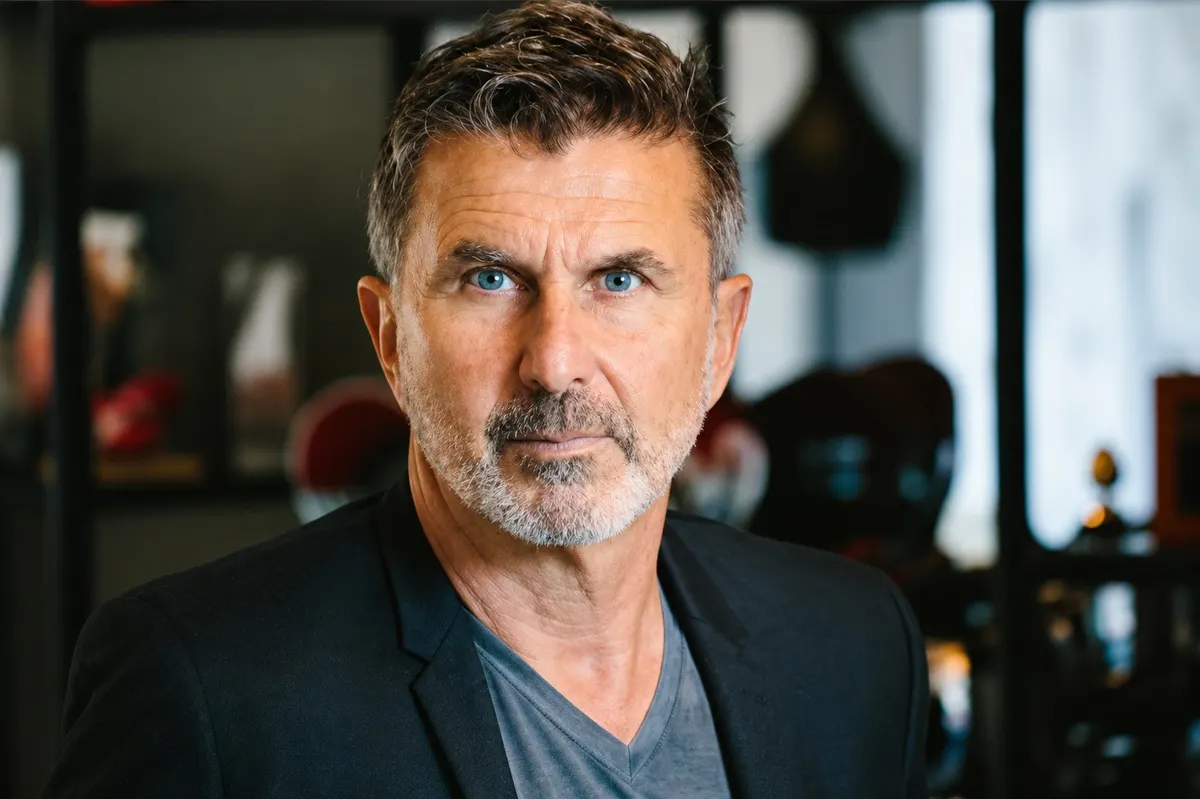
F1车手经纪人恩里科·扎纳里尼回顾赛车生涯五十年
恩里科·扎纳里尼回顾了自己与埃迪·埃尔文、亚历山德罗·扎纳尔迪和拉斐尔·卡马拉等人共事的半个世纪——处理人际关系、面对失望,以及一个发生了深刻变化的围场。这么多年过去,他仍然坚信一件事:即使在今天的F1,经验也是不可替代的资产。
有时,一个单一事件——仅仅几秒钟——就足以改变职业生涯的走向。恩里科·扎纳里尼回忆起这样一个时刻,它发生在1993年葡萄牙大奖赛的围场里。埃马努埃莱·纳斯佩蒂是扎纳里尼在20世纪90年代初管理的车手之一,当时正努力保住自己的F1未来。
目标是跑赢队友鲁本斯·巴里切罗——这样的成绩本可以增加他的机会。但在排位赛的决定性时刻,正当纳斯佩蒂全力冲击那可能改变他命运的一圈时,他发现刚出维修区的艾尔顿·塞纳正挡在身前。这次尝试被毁了,正如扎纳里尼所记得的那样,一个重大机会也随之消失。
“这是我们最后的机会,”扎纳里尼告诉Motorsport.com。“埃马努埃莱只剩最后一套轮胎,他必须全力以赴。当我看到塞纳从维修区驶出,而纳斯佩蒂正好到达最后一个弯角时,我就知道我们的圈速毁了。事实正是如此。”
恩里科·扎纳里尼与安东尼奥·吉奥维纳兹,哈斯F1车队
“我告诉自己,不能就这样结束,”他说。“我们必须再试一次——而且要做得更好。这成了我的座右铭之一,成了我生活和工作的原则之一。”
50年过去了,扎纳里尼依然活跃在围场之中。他跨越了不同的时代,认识了几代车手,与冠军和前途无量的年轻才俊都合作过。他的职业生涯始于1975年,当时他管理着一辆Autodelta赛车和两名车手。如今,他与弗朗切斯科·普林奇佩一起,代理的车手包括拉斐尔·卡马拉——后者刚刚代表哈斯完成F1首秀。
在这之间,是一生在赛车运动中度过的时光,而其中最鲜明的特点,是一种独特的经纪人工作方式。“在我们的世界里,你每一天都与车手朝夕相处,”他解释道,“你们会建立起非常紧密的纽带。和埃马努埃莱·纳斯佩蒂,我们就像兄弟一样——对他来说,我或许几乎像第二个父亲。而这些关系并不一定随着赛车生涯的结束而终止。”
最耐人寻味的例子是埃迪·欧文,他是在扎纳里尼职业道路上留下最深印记的车手之一:“埃迪真是把我折腾得够呛。他的情绪起伏极大,尤其是在私生活方面。但我们仍然是朋友。三十年过去了,如今——在巴西和拉斯维加斯之间——我们正一起在秘鲁度假一周。两个老家伙在度假!”
这是一种似乎属于另一个时代的经纪理念,但扎纳里尼仍然认为它至关重要——尤其是因为,在他看来,车手随着时间推移的变化,远没有人们想象的那么大。
他评价道:“纳斯佩蒂、欧文或扎纳尔迪所拥有的那种竞争力,我在今天的卡马拉身上同样能看到。一旦护目镜放下,他们都会变成充满竞争本能的猛兽。”
“最大的变化在于技术和社交媒体的影响。过去,与公众的关系完全不同。如今,年轻车手会花大量时间在手机上——了解信息、直接与人交流。但竞争精神始终如一。”
经验的价值以及与法拉利的关系
几十年来,经纪人的角色也经历了深刻变化。车队和制造商设立青训车队的做法改变了平衡,在某些情况下缩小了车手代表们的施展空间。
“在红牛——至少只要赫尔穆特·马尔科还在掌权——几乎不可能进行任何有意义的对话。他们甚至不会考虑你,除非你恰好是马克斯·维斯塔潘的经纪人。梅赛德斯也采取非常专断的方式,倾向于把经纪人晾在一边。相比之下,法拉利一直尊重我们的工作。哈斯和迈凯伦也是如此。”
与马拉内罗的关系是该经纪公司的一大优势。这段合作始于欧文时代,并延续至今,目前扎纳里尼的公司代理着五名与法拉利有关联的车手。这也是卡马拉将职业生涯托付给该公司的原因。
“拉斐尔来找我们,是因为他想要那种与法拉利建立长期关系所带来的经验,”扎纳里尼解释道。“我们早就认识他,也一直饶有兴趣地关注他的进展,但我们没有主动追求他,因为他当时有另一位经纪人。这是职业道德问题;我们尊重他人的工作。”
道德这个话题在扎纳里尼的叙述中反复出现。“这是一个很容易搞暗箱操作的环境——你可以通过违规操作快速赚钱,”他补充道。“我一直告诉我的团队要行为端正,按规矩办事。这也是你如何长期维持关系的方式。”
扎纳里尼认为,经验是管理者能给予年轻车手的最宝贵财富:“你不必是天才。当你在赛车运动里摸爬滚打50年,你见过太多场景,它们迟早会重演。20年前发生的事,明天早上就可能同样发生在拉斐尔身上。我能让他做好准备,告诉他该期待什么。而且他是个聪明的年轻人,非常尊重经验。”
“在拉斐尔这件事上,我们与巴西一家商业伙伴——FWD经纪公司——的联系也起了关键作用;他们在卡马拉项目上做得非常出色。一切完美地衔接上了。”
为卡马拉在巴西大奖赛完成F1首秀做准备,需要一套特定的方法。在职业生涯一直追逐杆位、分站胜利和年度冠军之后,这位新秀突然发现自己身处一个成功标准完全不同的环境。
“过去一周,我们不得不把一切推倒重来,”扎纳里尼解释道。“我们所在的这支车队——除非出现某些非同寻常的变故——不会去争夺杆位或分站胜利。拉斐尔习惯了为胜利而战,所以我们必须向他解释,如今工作的性质不同了。如果他做得好,总有一天他会拥有一辆能够拿下杆位和胜利的赛车。”
恩里科·扎纳里尼与吉安卡洛·费斯切拉
对扎纳里尼而言,进入F1并不仅仅是一段旅程的顶点,而是一个新篇章的开始。当被问及他管理过的车手中,谁在纯粹天赋上与卡马拉最相似时,他的回答很能说明问题:“也许是[吉安卡洛]费斯切拉。很难做比较,但就纯粹天赋而言,他是第一个浮现在我脑海里的。不过他们的性格完全不同——一个内向,一个外向。”
经理人工作中还有一个很少被关注的方面:管理车手的家庭。“我们实际上已经拿到了‘家长管理’的学位!”扎纳里尼感叹道,“我觉得我们应该得一个特别奖。有时候,管理父母比管理车手更费心。家庭为了帮助孩子达到这些水平牺牲了很多,情感纽带非常牢固。但到了某个阶段,年轻车手需要变得独立,引导这一转变并不总是容易的。”
从罗恩·丹尼斯到扎克·布朗,一个不那么傲慢的围场
扎纳里尼经历过一种F1,在那个世界里,决定由车队老板直接做出——个人关系往往具有决定性,尽管并不总是那么简单直接。
他回忆起与罗恩·丹尼斯的一次会面,那次会面是为了在吉安卡洛·费斯切拉赢得2003年巴西大奖赛后讨论他:“他在伊莫拉附近的酒店房间里接待了我。他从一开始就很傲慢。他告诉我他对费斯切拉不感兴趣,他之所以同意见我,只是因为是我提出的请求。告诉别人你不感兴趣有不同的方式,而他显然没有选择最优雅的那种……”
与迈凯伦现任领导层的对比十分鲜明:“扎克·布朗的精神与我很相似。我总是说我是个二手车销售员,因为我来自那个行业。而当你在展厅工作时,你会学到必须倾听每一个人。可能走进来一个看起来身无分文的人,最后却买了三辆梅赛德斯。扎克倾听每一个人,然后,自然而然地,他得出自己的结论。”
矛盾的是,尽管F1变得复杂和富裕得多,如今在扎纳里尼看来,它却不像过去那样傲慢了:“那时候,有个人所有者;今天,结构不同了,对话也更多了。我在今天的围场里看不到当年我有时会遇到的那种傲慢。”
扎纳里尼对伯尼·埃克莱斯顿时代与自由媒体时代的比较同样不带怀旧情绪。他承认旧体系在当时行之有效,但认为当前的管理层更适合F1如今达到的规模。
安东尼奥·吉奥维纳齐、哈斯F1车队和恩里科·扎纳里尼
从业50年后,扎纳里尼毫无放慢脚步的迹象。当被问及是否曾考虑离开赛车运动时,他立刻回答:“没有——因为第二天我就会死!”
然而,他也意识到经纪公司的未来最终必须托付给新一代。弗朗切斯科·普林奇佩正是在此背景下登场,他被赋予了负责卡马拉项目的职责。
“这个项目完全掌握在他手中,这让我感到无比欣慰,”扎纳里尼说道。“弗朗切斯科·普林奇佩在某种意义上是我自己的创造——我自豪地这么说。我们形成了一种共生关系,他新鲜、年轻的心态与我的经验相辅相成。”
这种纽带超越了职业层面:“我自己的孩子选择了不同的职业道路。在赛车运动的世界里,弗朗切斯科就是我的儿子。我知道我自己的旅程终有一天会结束,但知道会有人将这项工作传承下去,这让我感到欣慰。”
或许这段话最能概括恩里科·扎纳里尼的故事——一个见证了赛车、车队、规则以及赛车运动商业运作方式演变的人。他认识那些后来赢得世界冠军的车手,也认识那些在排位赛刚跑出几米就梦想破灭的人。
而半个世纪后的今天,他依然在那两个曾出现在电视屏幕上的词中看到自己的影子——那是一个格外苦涩的下午:“再努力些。”再试一次——并且做得更好。
英文原文
F1 driver manager Enrico Zanarini recounts his 50 years in motorsport
Enrico Zanarini reflects on half a century spent working alongside the likes of Eddie Irvine, Alessandro Zanardi and Rafael Camara – navigating personal relationships, disappointments, and a profoundly transformed paddock. After all this time, he remains convinced of one thing: experience is an irreplaceable asset, even in today’s F1
Sometimes, a single incident – mere seconds – is enough to alter the course of a career. Enrico Zanarini recalls one such moment, which took place in the paddock at the 1993 Portuguese Grand Prix. Emanuele Naspetti, one of the drivers Zanarini managed in the early 1990s, was striving to secure his Formula 1 future.
The goal was to outperform his team-mate, Rubens Barrichello – a result that could have bolstered his chances. But at the decisive moment during qualifying, just as Naspetti was pushing for the lap that might have changed his destiny, he found Ayrton Senna – who had just exited the pits – directly in his path. The attempt was ruined, and with it, as Zanarini remembers, a major opportunity vanished.
“It was our last chance,” Zanarini told Motorsport.com. “Emanuele had one final set of tires left, and he absolutely had to deliver. When I saw Senna pulling out of the pits just as Naspetti was reaching the final corner, I knew our lap was ruined. And that is exactly what happened.”
Zanarini returned to the paddock, devastated. He absent-mindedly sat down in front of a television, before noticing a Nike commercial. He didn’t pay much attention to the visuals, but the words that appeared at the end stayed with him: “Try Harder” – raise the bar.
Enrico Zanarini and Antonio Giovinazzi, Haas F1 Team
“I told myself it couldn’t end like this,” he said. “We had to give it another try – and do it better. That became one of my mottos, one of the principles by which I live and work.”
After 50 years, Zanarini is still in the paddock. He has spanned different eras, known generations of drivers, and worked with both champions and promising young talents. His career began in 1975, when he managed an Autodelta car and two drivers. Today, alongside Francesco Principe, he represents – among others – Rafael Camara, who has just made his F1 debut with Haas.
In between lies a lifetime spent in motorsport, defined above all by a unique approach to the manager job. “In our world, you live alongside the drivers every single day,” he explained. “You form very close bonds. With Emanuele Naspetti, we were like brothers – to him, I was perhaps almost a second father. And these are relationships that don’t necessarily end when a racing career does.”
The most intriguing example is Eddie Irvine, one of the drivers who left the deepest marks on Zanarini’s professional journey: “Eddie really put me through the wringer. He had incredible mood swings, especially when it came to his private life. Yet, we’re still friends. Thirty years have passed, and now – between Brazil and Las Vegas – we’re vacationing together in Peru for a week. Two old guys on holiday!”
It is a philosophy of management that seems to belong to another era, yet Zanarini still considers it essential – not least because, in his view, drivers have changed far less over time than one might imagine.
“The competitiveness that Naspetti, Irvine, or Zanardi possessed is the same I see in Camara today,” he reckoned. “Once the visor goes down, they all turn into competitive animals.
“What has changed, above all, is the influence of technology and social media. In the past, the relationship with the public was completely different. Today, a young driver spends a lot of time on his phone – staying informed, communicating directly with people. But the competitive spirit remains the same.”
The value of experience and the relationship with Ferrari
Over the decades, the role of a manager has also undergone profound change. The emergence of academies run by teams and manufacturers has shifted the balance, in some cases narrowing the scope for those who represent the drivers.
“With Red Bull – at least as long as Helmut Marko was in charge – it was practically impossible to engage in any meaningful dialogue. They wouldn’t even consider you, unless you happened to be Max Verstappen’s manager. Mercedes also takes a very authoritarian approach, tending to keep managers on the sidelines. Ferrari, by contrast, has always respected our work. The same can be said for Haas and McLaren.”
The relationship with Maranello is one of the agency’s key strengths. It is a partnership that began back in the Irvine days and lives on, with five Ferrari-linked drivers currently represented by Zanarini’s organisation. This was also why Camara trusted the agency with his career.
“Rafael came to us because he was looking for the experience that comes with an established relationship with Ferrari,” Zanarini explained. “We already knew him and had been following his progress with interest, but we didn’t actively pursue him because he had another manager. It’s a matter of professional ethics; we respect the work of others.”
The subject of ethics comes up repeatedly in Zanarini’s account. “This is an environment where it’s easy to engage in underhanded practices – where you could make quick money by operating outside the rules,” he added. “I’ve always told my team to conduct themselves properly and to do things the right way. That is also how you maintain relationships over time.”
According to Zanarini, experience is the greatest asset a manager can offer a young driver: “You don’t have to be a genius. When you’ve spent 50 years in motorsport, you’ve seen so many scenarios that, sooner or later, are bound to repeat themselves. Something that happened 20 years ago could just as easily happen to Rafael tomorrow morning. I can prepare him and explain what to expect. And he’s an intelligent young man who has a great deal of respect for experience.
“In Rafael’s case, a connection we have with a commercial partner in Brazil – agency FWD – also played a crucial role; they are doing an excellent job with the Camara project. Everything fell into place perfectly.”
Preparing Camara for his F1 debut at the Brazilian GP required a specific approach. After a career built on chasing pole positions, race wins and championship titles, the rookie suddenly found himself in an environment where success is measured by entirely different criteria.
“Over the last week, we’ve had to reset everything,” Zanarini explained. “We’re with a team where – barring some extraordinary turn of events – we won’t be taking pole positions or winning races. Rafael is used to fighting for wins, so we’ve had to explain to him that the nature of the work is different now. If he does a good job, the time will come when he’ll have a car capable of securing pole positions and victories.”
Enrico Zanarini with Giancarlo Fisichella
For Zanarini, reaching F1 isn’t just the culmination of a journey; it’s the start of a new chapter. And when asked which of the drivers he has managed was most similar to Camara in terms of raw talent, his answer is telling: “Perhaps [Giancarlo] Fisichella. It’s very difficult to make comparisons, but in terms of pure talent, he’s the one who comes to mind. Their personalities, however, are completely different – one is introverted, the other extroverted.”
There is also an aspect of a manager’s job that rarely comes to light: managing the families. “We’ve practically earned a degree in ‘parent management’!” Zanarini exclaimed. “I think we deserve a special award. Sometimes, managing the parents is more demanding than managing the drivers. Families have sacrificed so much to help their children reach these levels, and the emotional bond is incredibly strong. But there comes a point when the young driver needs to become independent, and guiding that transition isn’t always easy.”
From Ron Dennis to Zak Brown, a less arrogant paddock
Zanarini experienced a version of F1 where decisions were made directly by team owners – a world where personal relationships were often decisive, albeit not always straightforward.
He recalls a meeting with Ron Dennis, arranged to discuss Giancarlo Fisichella following his victory at the 2003 Brazilian GP: “He received me in his hotel room, near Imola. He was arrogant right from the start. He told me he wasn’t interested in Fisichella and he had only agreed to meet me because I had asked him to. There are different ways to tell someone you’re not interested, and he certainly didn’t choose the most elegant one…”
The contrast with McLaren’s current leadership is stark: “Zak Brown has a very similar spirit to mine. I always say that I’m a used-car salesman, because that’s the industry I come from. And when you work in a showroom, you learn that you have to listen to everyone. Someone might walk in who looks like they don’t have a penny to their name, and then end up buying three Mercedes. Zak listens to everyone, and then, naturally, he draws his own conclusions.”
Paradoxically, even though F1 has become much more complex and affluent, it now strikes Zanarini as less arrogant than it used to be: “Back then, there were individual owners; today, the structures are different, and there is more dialogue. I don’t see the same kind of arrogance in today’s paddock that I sometimes encountered back then.”
Zanarini’s comparison between the Bernie Ecclestone era and the Liberty Media era is also devoid of nostalgia. While he acknowledges that the old system worked at the time, he believes the current management is far better-suited to the scale that F1 has reached.
Antonio Giovinazzi, Haas F1 Team and Enrico Zanarini
After 50 years in the business, Zanarini shows no signs of slowing down. When asked if he has ever considered leaving motorsport, his reply is immediate: “No – because the very next day, I’d die!”
Yet, there is an awareness that the future of the agency must eventually be entrusted to a new generation. This is where Francesco Principe enters the picture, having been given responsibility for the Camara project.
“This project is entirely in his hands, which gives me immense satisfaction,” Zanarini said. “Francesco Principe is, in a sense, my own creation – I say that with pride. We’ve developed a symbiosis where his fresh, youthful mindset complements my own experience.”
The bond goes beyond professional matters: “My own children chose different career paths. In the world of motorsport, Francesco is my son. I know that my own journey will come to an end one day, but it’s comforting to know that there will be someone to carry this work forward.”
Perhaps this passage best encapsulates the story of Enrico Zanarini – a man who has witnessed the evolution of race cars, teams, regulations, and the very way business is conducted in motorsport. He has known drivers who went on to win world championships, as well as others who saw their dreams vanish just meters into a qualifying lap.
And now, half a century later, he still finds himself reflected in those two words that once appeared on a television screen on a particularly bitter afternoon: “Try Harder.” Try again – and try better.
Motorsport.com ·
内容来自公开信源,聚合内容版权归原作者与来源所有。