维斯塔潘:若由我制定规则,F1不会在某些地方举办
维斯塔潘称V8引擎回归是F1正确方向的一步,但表示若由他制定规则会走得更远,并称现在判断新规能否让他更久留在F1为时过早。
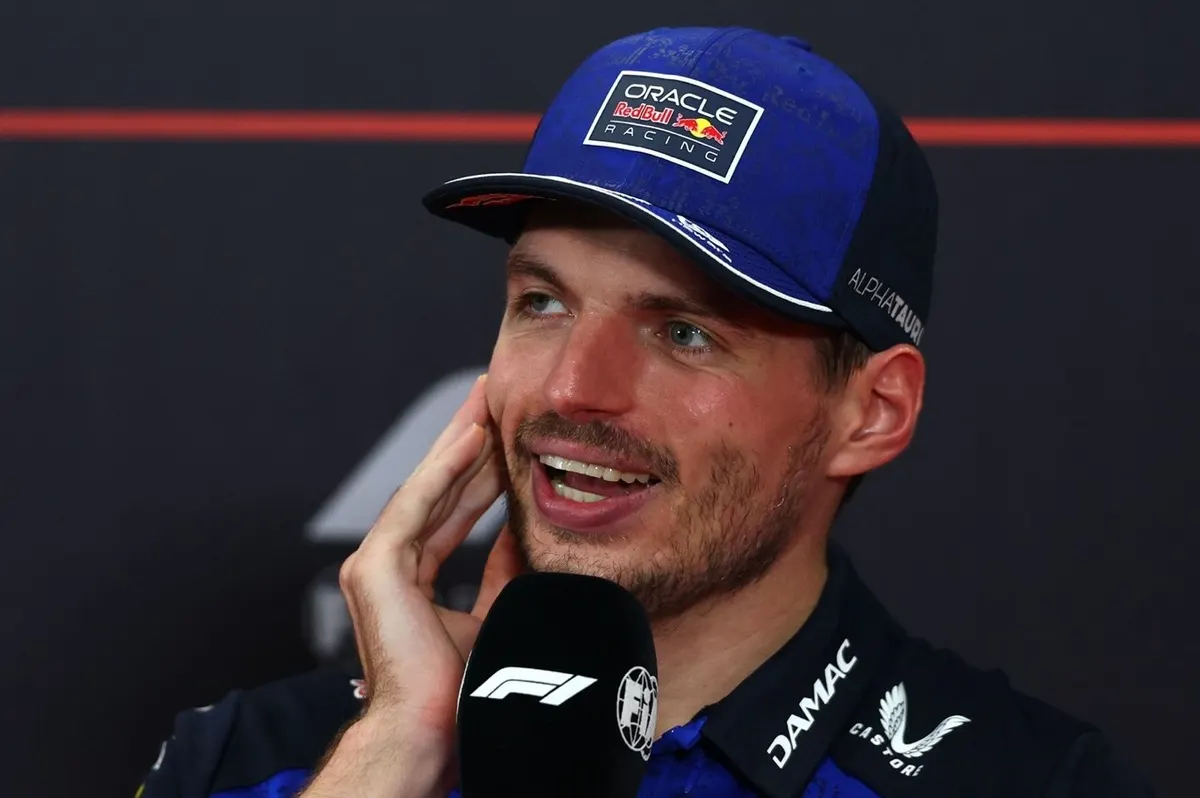
马克斯·维斯塔潘:“如果让我来写规则,F1不会获准在某些地方举办。”
维斯塔潘称V8引擎回归是F1朝着正确方向迈出的一步,但他补充说,在理想情况下,如果由他来制定规则,他会走得远得多。
尽管国际汽联的公告仅上线五分钟,但围场内毫无疑问V8引擎将回归F1。已就2.1升涡轮增压V8搭配更小电气组件达成原则性协议,该方案计划于2030年而非2031年引入。
马克斯·维斯塔潘是现行规则最激烈的批评者之一,因此也是变革的最强倡导者之一。他对F1的未来计划表示欢迎,但表示现在判断这些计划能否让他更长久地留在该系列赛中还为时过早。
“我不知道。肯定更好,但我现在无法告诉你2030年之后我会做什么。但对这项运动本身来说,这是个好选择,”他说。
维斯塔潘在赞德沃特荷兰大奖赛前签署的合同持续到2030年底,这意味着无论如何他都将体验到新规则。除了V8引擎,新规则预计还将包括进一步降低赛车重量。
当Motorsport.com问维斯塔潘,如果由他来制定规则,2030年的计划是否就是他自己会提出的方案时,这位荷兰人明确表示,情况并非完全如此。
“不,但那也是因为(按我的计划)有些赛道就不允许比赛了,因为声音会太大!如果由我决定,那我会去掉涡轮。我还会去掉(电动)动力。好吧,也许可以把它用作超车按钮,但电池方面不要再用太多了。但那样的话,有些赛道就不允许比赛了,”维斯塔潘说,他指的是如今许多赛道面临的噪音限制。
对于大城市的街道赛道来说,这在逻辑上会是一个更大的问题。
维斯塔潘补充道:“没有涡轮增压,油耗也会大幅上升,所以如果不想在比赛中进站加油,就需要更大的油箱。因此,我当然理解你们想要保留涡轮增压。”
除了这一实际论据外,保留涡轮增压从政治角度也很重要,例如为了留住奥迪和本田。
考虑到所有这些因素,维斯塔潘确实认为这一妥协是F1朝着正确方向迈出的重要一步。
“如果完全由我决定,那我当然会回到V10之类的引擎。那听起来更好,但我知道那并不现实。
“但这很好。这肯定是朝着正确的方向。但话说回来,这还没有确认,所以我想他们还有一些事情需要达成一致。”
尽管如此,这项原则性协议似乎确实表明,F1和FIA在考虑未来时,认真对待了车手们对2026年动力单元出现的动力衰减(clipping)、严重动力衰减(super clipping)及其他问题的抱怨。
维斯塔潘同意这一点,但也认为即便是F1的高层人物也意识到现状不能继续下去,即使他们永远不会公开承认:“这可能是听取我们建议,同时也意识到我们现在拥有的并不是你想要的,两者的结合!所以是的,这大概是一种结合。”
英文原文
Max Verstappen: "If they let me write the rules, F1 wouldn’t be allowed in certain places"
Verstappen calls the return of V8 engines a step in the right direction for F1, but adds that, in an ideal world, he would have gone considerably further if he were the one writing the rules
Although the FIA's announcement was only online for five minutes, there is no doubt in the paddock that V8 engines will return to Formula 1. An agreement in principle has been reached on a 2.1-litre turbocharged V8 with a smaller electrical component, which is set to be introduced in 2030 rather than 2031.
Max Verstappen is one of the biggest critics of the current regulations and therefore one of the strongest advocates for change. He welcomes F1’s future plans, but says it is too early to tell whether they could keep him in the series for longer.
"I don’t know. For sure it’s better, but I cannot tell you now what I will do after 2030. But for the sport itself, it’s a good choice," he said.
The contract Verstappen signed ahead of the Dutch Grand Prix at Zandvoort runs until the end of 2030, meaning he will get a taste of the new regulations regardless. Alongside the V8 engines, the new rules are also expected to include a further reduction in car weight.
When Motorsport.com asked Verstappen whether the plans for 2030 are what he himself would have come up with if he were writing the rules, the Dutchman made it clear that this is not entirely the case.
"No, but that’s also because [with my plans] you would not be allowed to race at some tracks because it would be too loud! If it is up to me, then I would take the turbo off. And I would get rid of the [electrical] power. Well, maybe you can use it as a push-to-pass, but not too much on the battery side anymore. But then on some tracks you are not allowed to race," Verstappen said, referring to the noise restrictions that many circuits face nowadays.
For street tracks in major cities, this would logically be an even bigger problem.
Verstappen added: "Fuel consumption also goes up a lot without the turbo, so you would need a bigger tank if you don’t want to do refuelling during the races. So then, of course, I understand that you want to have a turbo."
Besides this practical argument, retaining the turbo was also important from a political perspective, for example to keep Audi and Honda on board.
With all those factors in mind, Verstappen does see this compromise as an important step in the right direction for F1.
"If it’s fully up to me, then of course I would go back to a V10 or whatever. That sounds even better, but I know that’s not something realistic.
"But this is good. This is for sure in the right direction. But again, it’s not confirmed yet, so I guess there are a few things that they still need to agree on."
Nevertheless, this agreement in principle does seem to indicate that F1 and the FIA have taken drivers' complaints about clipping, super clipping and other issues with the 2026 power units seriously when considering the future.
Verstappen agrees, but also believes that even F1's leading figures realise things cannot continue as they are, even if they would never admit that publicly: "It’s probably a combination of maybe listening to our advice, but also realising that what we have now is not what you want! So yeah, it’s probably a bit of a combination."
Motorsport.com ·
内容来自公开信源,聚合内容版权归原作者与来源所有。