本田动力单元墨西哥站仅撑五圈
本田的Shintaro Orihara赛前称罗德里格斯兄弟赛道对动力单元极具挑战,而阿斯顿·马丁在墨西哥大奖赛正赛仅跑约五圈便双双退赛。
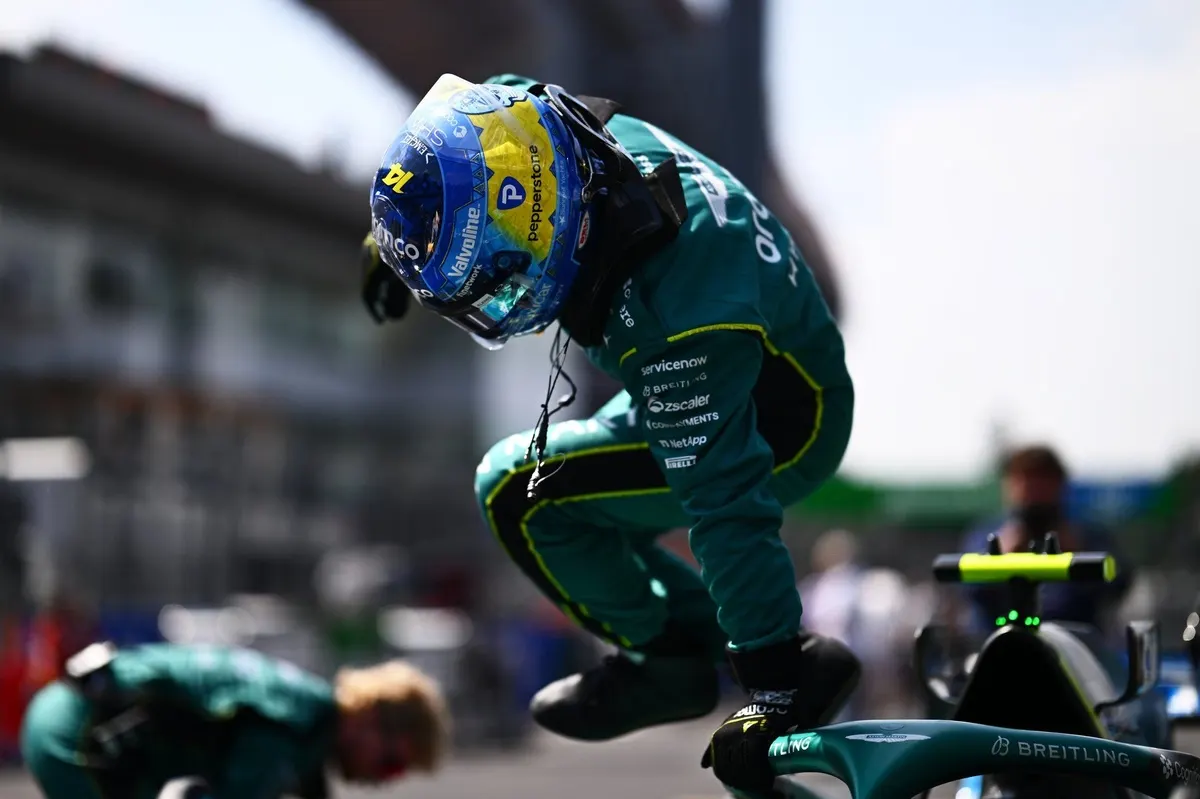
本田动力单元在F1墨西哥大奖赛为何仅撑了不到五圈
墨西哥站比赛在高海拔进行,让人感觉回到了本田赛季初的困境,两辆阿斯顿·马丁很快双双退赛
在本田的墨西哥大奖赛前瞻中,本田的Shintaro Orihara曾将罗德里格斯兄弟赛道形容为“对动力单元极具挑战的赛道”,但他或许没有料到阿斯顿·马丁的这个周末会如此偏离正轨。
尽管练习赛速度和里程都不错——阿隆索在第二节练习中仅落后榜首夏尔·勒克莱尔0.769秒,两辆AMR26在三节练习中合计跑了多达144圈——但到了竞争性的各节练习与排位中,一切都不顺利。
本田确实在第三次练习赛和排位赛之间解决了一些驾驶性和涡轮迟滞问题,但阿隆索在周六下午遇到了“水系统异常信号”,这并未妨碍他在排位赛中击败斯特罗尔;尽管如此,两辆车都在第一节排位赛中被淘汰,比第二节排位赛的晋级线慢了零点四秒。
在正赛中,两人因冷却问题在五圈后双双退赛。
“我们知道,由于墨西哥城特殊的高海拔环境,我们在冷却方面将面临比其他赛道更多的额外挑战,”本田赛道总经理兼首席工程师折原在赛后表示。
“然而,我们发现我们的能量回收系统冷却回路承受的压力比预期更大,这就是为什么我们不得不在不同的练习与排位环节中让赛车停下来。
“尽管在练习阶段完成了多圈,但问题今天出现了,昨天排位赛中也出现了。”
“今年每场比赛我们都需要为2027年学习,即使是惨痛的教训。我们有很多数据可以明年带回这条赛道,包括关于涡轮迟滞的数据,我们会努力寻找解决方案。”
Orihara周四指出,前几年MGU-H为涡轮提供支持,因此减少了迟滞,但新的更简单的动力单元不再配备该装置——这也是墨西哥城高海拔稀薄空气下的一个问题。
虽然沮丧的斯特罗尔在周末结束时只对媒体给出了简短回答,但阿隆索稍微健谈一些,并强调了阿斯顿·马丁和本田面临的挑战规模。
“这辆车非常好,”这位西班牙人说道。“问题只是,显然,在引擎方面,我们无法跑超过一定数量的圈数。希望我们吸取了教训,明年准备得更充分。”
但这台由阿德里安·纽维设计的机器仍有潜力——即使在墨西哥也是如此。可以说,阿隆索和斯特罗尔在正赛中并没有太多机会展示他们的能力;然而,把这位西班牙人周日三个最快分段拼在一起(他在第三圈就进站了,这使他无法完成一个像样的单圈),他的速度几乎与威廉姆斯的卡洛斯·塞恩斯相当,尽管他驾驶的赛车想必因为满油而重得多。
“周四我们坐在一起时,我们说这是一条有很多低速弯的赛道,”阿斯顿·马丁赛道总监迈克·克拉克说道。“如果我们能把驾驶性控制好,我们就能有竞争力。例如,像体育场路段那样的弯道,[第]4-5-6[号弯],低速路段。”
因此,可靠性是问题的关键——同时还要保持士气。“在这种情况下,每个人都很难保持高昂的斗志,而我们整个赛季都在挣扎,”克拉克承认道。
“我们今年开局非常艰难,之后在引入升级和ADUO的那段时间,我们[取得了]稍好一些的成绩。现在,我们在可靠性方面遇到了更多麻烦。在得克萨斯,我们因事故遇到了不同的问题。你知道,这就是赛车的一部分。”
“问题是,每个人都尽了最大努力,每个人都被激励着做得更好,我对他们的积极性毫不怀疑。我们不需要去激励他们,这已经是在以最高程度激励他们了。”
而如果说有谁一直保持动力,那一定是阿隆索。“我每次都在尽最大努力,我跑的每一圈,我每天早上醒来,我做的每一次准备,我吃的每一口食物——一切都专注于在方向盘后发挥出最佳水平,”尽管本赛季第七次退赛,他仍再次强调。
英文原文
Why Honda’s power unit lasted barely five laps in F1 Mexico GP
Taking place at high altitude, the Mexican race felt like a throwback to Honda’s early-season trouble as both Aston Martins promptly retired
In its Mexico Grand Prix preview, Honda’s Shintaro Orihara had described Autodromo Hermanos Rodriguez as “a very challenging track for the power unit”, but he perhaps didn’t expect Aston Martin’s weekend to go so awry.
Despite decent pace and mileage in free practice – Fernando Alonso was just 0.769s down on pacesetter Charles Leclerc in FP2, with the AMR26s covering a whopping 144 laps across all three sessions – it all went wrong in the competitive sessions.
Honda did fix some driveability and turbo lag issues between FP3 and qualifying, but Alonso encountered “abnormal signals on the water systems” on Saturday afternoon, which didn’t prevent him from outqualifying Lance Stroll; still, both cars were out in Q1, four tenths down on the Q2 cut-off time.
In the race, the pair retired after five laps due to cooling issues.
“We knew that with the special high-altitude circumstance of Mexico City, we would face some additional challenges compared to other racetracks for the cooling,” said Orihara, Honda’s trackside general manager and chief engineer, following the race.
“However, we found that our ERS cooling circuit was under heavier stress than anticipated and this is why we had to stop the car in different sessions.
“Despite completing a series of laps during the practice sessions, the issue occurred today and during qualifying yesterday.
“At each race this year, we need to learn for 2027, even the hard lessons. We have a lot of data that we can bring back to this circuit next year, including on the turbo lag, and we will work on the solutions.”
Orihara pointed out on Thursday that in previous years the MGU-H supported the turbo, therefore reducing lag, but the new, simpler power units no longer feature that device – and that too was a problem with the thinner air at Mexico City’s high altitude.
While a frustrated Stroll only gave laconic answers to the media at the end of the weekend, Alonso was slightly more loquacious and underlined the scale of the challenge for Aston Martin and Honda.
“The car is very good,” the Spaniard said. “The problem is just, we cannot do more laps than a certain number, apparently, with the engine. Hopefully we learned a lesson and we come next year more prepared.”
But the Adrian Newey-designed machine had potential – even in Mexico. It’s fair to say Alonso and Stroll didn’t get much of a chance to show what they could do in the race; yet, putting the Spaniard’s quickest three sectors together on Sunday (he pitted on lap three, which prevented him from completing a decent lap), he was nearly as quick as Williams’ Carlos Sainz, despite presumably having a much heavier car with a full tank of fuel.
“On Thursday, when we sat together, we said this is a track that has a lot of low-speed corners,” Aston Martin chief trackside officer Mike Krack said. “And if we get the driveability under control, that we can be competitive. For example, corners like the stadium section, [Turns] 4-5-6, low-speed stuff.”
Reliability therefore is the crux of the issue – as well as keeping morale up. “It's difficult for everyone to keep the motivation high in such situations, and we are struggling all year already,” Krack admitted.
“We had a very difficult start of the year, then the period when we introduced the upgrades and the ADUO, we [had] a bit better results. Now, we have more trouble in terms of reliability. In Texas, we had different issues with incidents. You know, it's part of racing.
“The thing is, everybody tries his best, everybody is motivated to do better, and I have no doubt about the motivation. We don't have to motivate them, it's motivating them the highest possible.”
And if anyone is staying motivated, that will be Alonso. “I’m doing my best every time, every lap I do, every morning I wake up, every preparation I do, every food I take – everything is focused on performing at my best behind the wheel,” he insisted again despite his seventh retirement of the season.
Motorsport.com ·
内容来自公开信源,聚合内容版权归原作者与来源所有。