沃尔夫呼吁FIA提高初级员工薪资上限
托托·沃尔夫透露,他已向FIA提议在预算帽中为初级员工薪资设立豁免额度以提高其待遇,但该提议被拒绝。
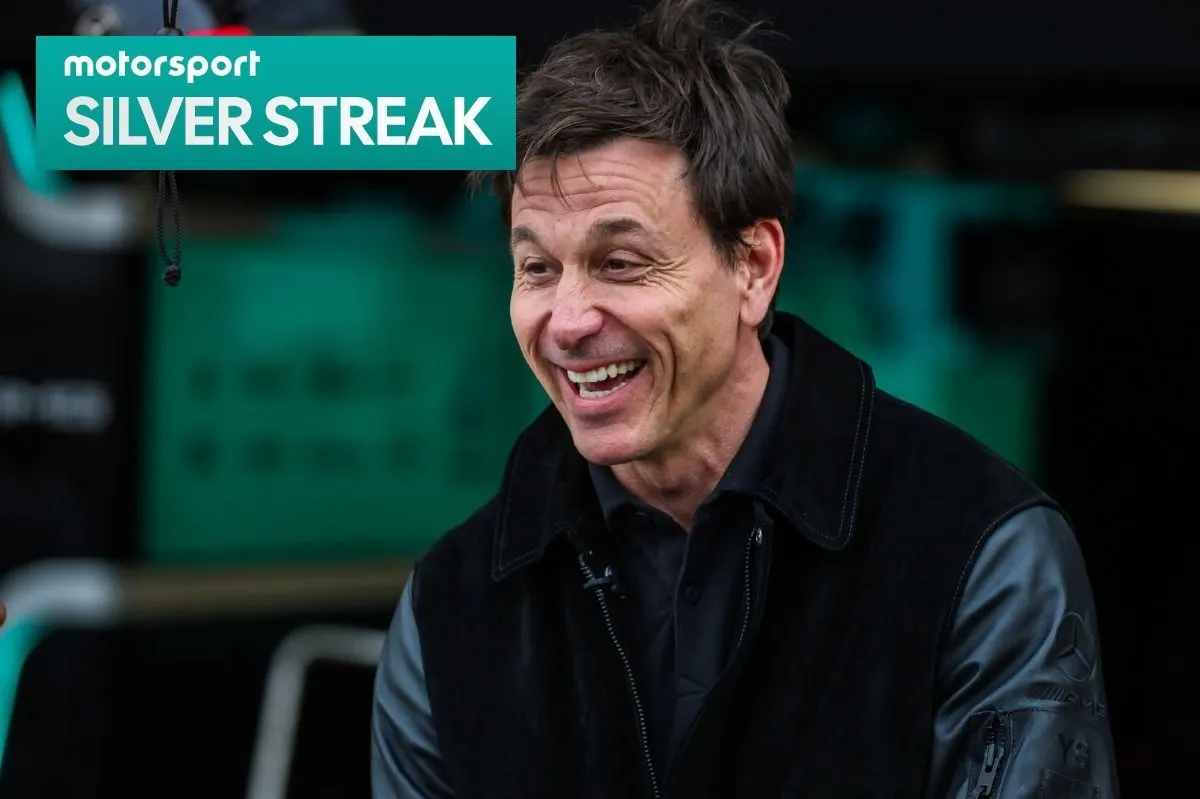
托托·沃尔夫希望FIA取消初级员工的薪资上限:“我们需要给他们更好的报酬”
托托·沃尔夫透露,他已向FIA提议在预算帽中为初级员工薪资设立豁免额度以提高其待遇,但该提议被拒绝
致梅赛德斯车迷。来自银箭车队的最新消息,包括F1新闻、车手动态、赛车研发以及来自布拉克利和布里克斯沃思的赛事分析。
F1预算帽确实做到了它该做的事:它拉近了车队之间的差距,并阻止了大型工厂车队单纯靠砸钱来解决问题。但尽管赛道上的竞争无疑更胶着了,幕后的财务压力正开始对人造成影响。
在2026年巴西大奖赛第三次自由练习赛的转播中,天空体育F1评论员娜奥米·希夫提到了威廉姆斯车队负责人詹姆斯·沃尔斯提出的一个有趣观点。沃尔斯认为,成本上限正迫使各车队将部件使用到极其接近其绝对里程极限的程度——这完美解释了为什么当前发车区充斥着引擎罚单,马克斯·维斯塔潘、乔治·拉塞尔以及两辆法拉利都在英特拉格斯遭遇了发车位处罚。
托托·沃尔夫不仅表示赞同,还揭开了布拉克利财务现实变得多么残酷的帷幕。
“是的,绝对如此。我的意思是,我们知道成本上限为何出现,”沃尔夫向天空体育团队解释道。“但我们正处于如此边缘的境地,多一些会更好,你知道。就我们而言,我们无法将所有底盘留到明年。有些需要被切碎。
“当你看看这些赛车的纪录时,这相当令人难过,”沃尔夫补充道。“所以每支车队都承受着压力。情况都一样。”
虽然切割碳纤维很痛苦,但沃尔夫对成本上限最大的不满在于,它直接压制了真正制造赛车的男女员工的薪水。
F1 严重依赖才华横溢的年轻工程毕业生,他们为车队付出大量时间。但在现行预算规则下,工厂工资受到限制。沃尔夫透露,梅赛德斯曾积极游说国际汽联解决这一问题。
“我本希望能有一点上浮空间,”沃尔夫表示。“我认为我们,尤其是我们当时的想法,是让更多加入车队的初级人员获得更多额度来提高他们的薪酬。而不是让他们的薪资在头五、六、七年里被压制。”
这位梅赛德斯老板想向管理机构明确表示:这并非偷偷寻找漏洞以获取更多空气动力学研发的企图。他只是想为初级员工支付公平的市场价格,以匹配他们为锦标赛投入的疯狂工时。
“所以我们已经向国际汽联提出这个请求,希望给我们一项额度,不是为了提高前翼,而是为了给薪资留出稍微上调的空间,”他说,“因为预算上限把这一切都压制住了。”
毫不意外,要求国际汽联放宽财务规则并没有得到好的回应。沃尔夫承认,这个提议基本上从一开始就注定失败。
“但显然,这并没有赢得多少好感分,”沃尔夫以一贯的冷峻现实口吻总结道。
目前,布拉克利以及围场其他车队的年轻工程师们,只能继续在当前财务上限下埋头苦干,而车队负责人则继续把每一个赛车部件压榨到极限。
英文原文
Toto Wolff wants the FIA to lift the salary cap on junior staff: “We need to pay them better”
Toto Wolff reveals he pitched the FIA for a cost cap allowance to boost junior staff salaries, but the proposal was rejected
For Mercedes fans. All the latest from the Silver Arrows, with F1 news, driver updates, car development and race analysis from Brackley and Brixworth.
The Formula 1 cost cap did exactly what it was supposed to do: it brought the grid closer together and stopped the massive factory teams from simply outspending their problems. But while the on-track product is undeniably tighter, the financial squeeze behind the scenes is starting to take a human toll.
During the Free Practice 3 broadcast at the 2026 Brazilian Grand Prix, Sky Sports F1 pundit Naomi Schiff brought up an interesting point raised by Williams boss James Vowles. Vowles suggested the cost cap is forcing teams to run parts uncomfortably close to their absolute mileage limits - which perfectly explains why the grid is currently drowning in engine penalties, with Max Verstappen, George Russell, and both Ferraris all taking grid drops at Interlagos.
Toto Wolff didn't just agree; he peeled back the curtain on how brutal the financial reality has become at Brackley.
"Yeah, absolutely. I mean, we know why the cost cap happened," Wolff explained to the Sky Sports crew. "But we are so on the edge of things that would be better to have more, you know. In our case, we're not able to carry all chassis over to next year. Some need to be chopped up.
"Which is quite sad when you look at the record of these cars," Wolff added. "So every team is under pressure. It's the same."
While chopping up carbon fibre is painful, Wolff’s biggest grievance with the cost cap is how it directly suppresses the pay cheques of the men and women actually building the cars.
F1 relies heavily on brilliant, young engineering graduates who grind out massive hours for the team. But under the current budget regulations, factory wages are being restricted. Wolff revealed that Mercedes actively lobbied the FIA to fix this exact issue.
"I would have loved to have a little bit of an uplift," Wolff stated. "I think that we, especially the idea that we had was for more junior personnel that joined the team, that we would have more allowance to pay them better. And not being the salaries suppressed in the first five, six, seven years."
The Mercedes boss wanted to make it crystal clear to the governing body: this wasn't a sneaky attempt to find a loophole for more aerodynamic development. He just wanted to pay the junior staff a fair market rate for the insane hours they put into the championship.
"So we've pitched that to the FIA to give us an allowance, not for more front wing, but an allowance for salaries to come up a little bit," he said. "Because the cost cap suppresses all of that."
Unsurprisingly, asking the FIA to open up the financial rulebook didn't go over well. Wolff admitted the pitch was essentially dead on arrival.
"But obviously, that didn't score a lot of brownie points," Wolff concluded with a dose of dry reality.
For now, the young engineers at Brackley - and across the rest of the grid - will have to keep grinding under the current financial ceiling, while team bosses continue to stretch every single car component to its breaking point.
Motorsport.com ·
内容来自公开信源,聚合内容版权归原作者与来源所有。