F1拟推进V8引擎回归 厂商将支持新规
F1计划在周一就V8引擎回归迈出关键一步,各制造商准备支持新动力单元规则。消息称当前各家厂商对转向更便宜、更简单、更受车迷欢迎的规则存在广泛共识,倾向采用2.1升V8引擎。
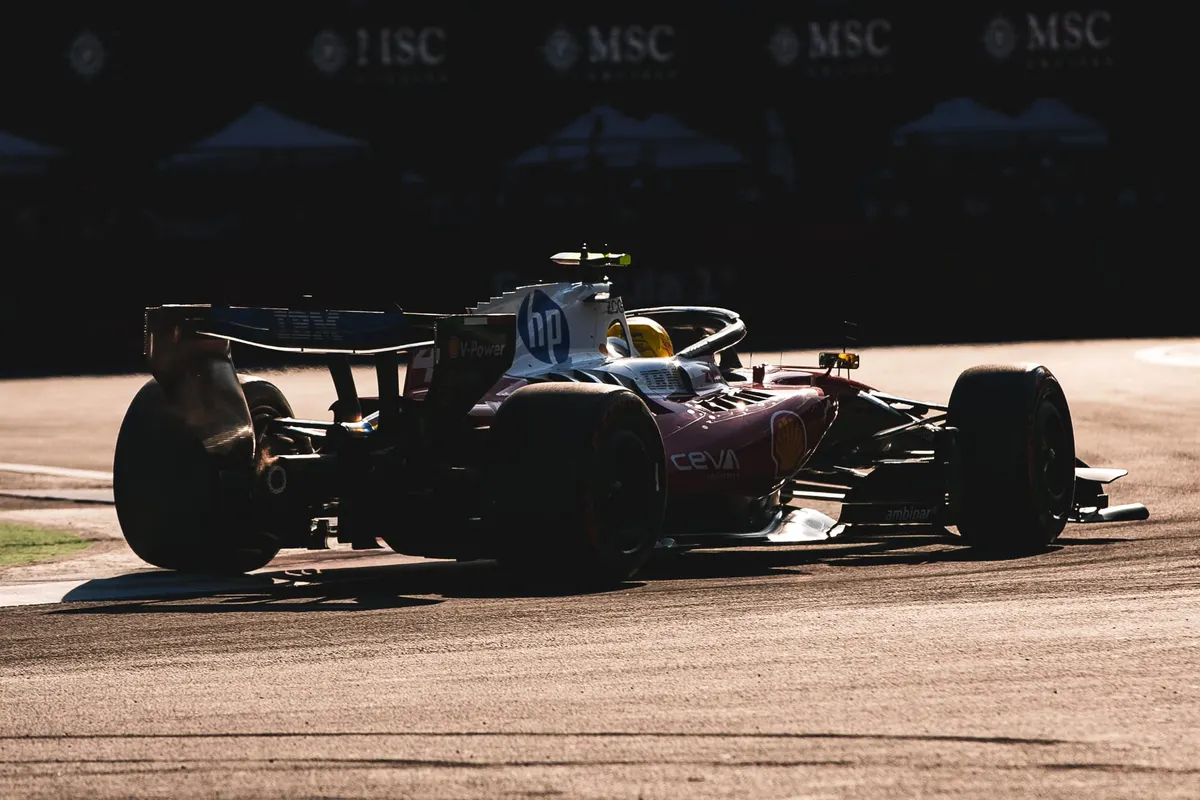
F1转向V8引擎的计划将于周一迈出重要一步,各制造商准备支持新规则。
在国际汽联、车队和车手进行了数月讨论、就F1下一套规则方向收集反馈之后,一份关于新动力单元的正式提案将在管理机构与制造商的会议上讨论。
消息人士表示,F1当前各家汽车制造商对规则转向存在广泛共识,这些规则旨在确保未来引擎更便宜、更简单,并对车迷更具吸引力。
尽管规则的许多细节仍需微调,但总体而言,看起来将获得支持的想法是采用2.1升V8引擎。
这种配置将有助于最大限度地减少额外支出,因为它避免了需要所有全新的内燃机设计,这些设计可以通过在现有的1.6升V6发动机上增加两个气缸来创建。
V8发动机将配备一个更小的涡轮增压器,降低增压压力,以及一个比当前350千瓦更小的电动元件。
在这方面正在讨论的提议是使用200千瓦的电动机,但其中只有100千瓦始终可用。额外的100千瓦将用于超车或一键加速系统。
然而,并非所有提交给车队的提议都得到了支持,据了解,对于由外部供应商创建标准基线动力单元、然后允许制造商自行修改的想法存在阻力。
一位围场消息人士指出,制造商能否继续致力于F1的关键在于动力单元是否仍是性能差异化的因素。
虽然整体规则概念看起来将向前推进,但需要做出的重大决定是它何时进入F1。
现行规则计划执行到2030年底,这意味着V8引擎将在2031年引入。
然而,国际汽联主席穆罕默德·本·苏拉耶姆急于不等待那么久,并希望批准V8规则变更在2030年就发生。
本·苏拉耶姆上个月表示,他希望新规则能将引擎成本削减至目前水平的一半左右。
本·苏拉耶姆表示:“已经有很多文件发给车队领队和动力单元制造商,车手们也就此接受了咨询。”
“当你把它做得更简单时,就能把价格降到一半。然后如果研发成本减半,凭借这种简化,生产时间也可以更短。”
转向更简单的动力单元之际,也在推动大幅降低赛车重量——国际汽联的目标是让赛车比现在轻80公斤。
正如国际汽联单座赛车总监尼古拉斯·通巴西斯最近所说:“当我们列出购物清单并把所有项目加起来时,我们可以轻松降到700公斤以下。
“现在我们意识到,在讨论问题时,某些领域会有一些反弹。我们将不得不做出一些妥协。
“人们会担心某些成本,但总体而言,我们的目标是低于700公斤,我认为这将是让赛车更令人兴奋的重要一步。”
虽然继续使用涡轮增压意味着下一代V8发动机不会提供过去时代那种尖啸声浪,但涡轮增压的存在将避免可能需要重新引入加油环节。
Tombazis补充道:“总的来说,我们并不热衷于引入加油环节,而且我们也知道各车队对此并不热衷,”他说。
“这会增加一层复杂性和风险,但同样重要的是,它会让赛前的进站窗口变得明确得多。因此,这意味着根据你是否丢失了位置来调整策略的灵活性会大大降低。”
英文原文
Formula 1's plans to move to V8 engines is set for a major step forward on Monday, with manufacturers poised to back new regulations.
Following months of discussions between the FIA, teams and drivers to gather feedback on a direction for F1's next rules set, a formal proposal for the new power units is to be discussed at a gathering of the governing body and manufacturers.
Sources have suggested that there is broad agreement among F1's current carmakers over the shift of rules, which are aimed at ensuring future engines are cheaper, less complex and more appealing to fans.
Although many details of the regulations will still need finetuning, in broad terms the idea that looks set to be backed is for a 2.1-litre V8 engine.
This configuration will help minimise extra expenditure because it avoids the need for all new internal combustion engine designs, as they can be created by adding two cylinders on to the current 1.6-litre V6s.
The V8 will be accompanied by a smaller turbo with reduced boost pressure, as well as a smaller electrical element compared to the current 350kW.
The proposal being discussed on this front is for a 200kW electric motor, but with only 100kW of that available at all times. The extra 100kW would be used for either an overtake or push-to-pass system.
Not all the proposals put in front of teams have been supported though, with it understood there is resistance to one idea for a standard baseline power unit being created by an external supplier, which manufacturers would then be allowed to modify themselves.
One paddock source suggested that critical for manufacturers to continue to commit to F1 is that the power unit remains a performance differentiator.
While the overall rules concept looks like it will move forward, the big decision that needs to be made is when it will arrive in F1.
The current regulations are planned to run through to the end of 2030, meaning the V8s would then come in for 2031.
However, FIA president Mohammed Ben Sulayem is eager to not wait that long and is hoping to sign off for the V8 rule shift to happen in 2030 itself.
Speaking last month, Ben Sulayem said he hoped that the new rules would cut engine costs to around half of their current level.
"There have been a lot of papers with the team principals and power unit manufacturers, plus the drivers have been consulted about it," said Ben Sulayem.
"When you make it simpler, you can make it half of the price. Then if the R&D goes down by half, with the simplicity the production time can be shorter."
The move to simpler power units will also come amid a push to reduce car weight dramatically – with the FIA targeting cars that are 80kg lighter than now.
As the FIA's single seater director Nikolas Tombazis said recently: "When we do the shopping list and add everything up, we can get quite comfortably below 700kg.
"Now we are conscious that when we discuss things, there will be some kickback in some areas. We'll have to compromise a bit.
"There will be concerns about certain costs, but overall our target is to be below 700kg, and I think it will be a significant step to make the cars more exciting."
While the continued use of a turbo means the next V8s won't offer the screaming sound of previous eras, the turbo's presence will avoid the need for a potential return of refuelling.
Tombazis added: "Generally [we are] not keen to go to refuelling and we also know the teams are not keen to go to refuelling," he said.
"It adds a level of complexity and risk, but also importantly, it makes the pitstop windows far more defined before the race. So it means that there's much less flexibility to adapt to your strategy depending on whether you've lost positions or not."
The Race ·
内容来自公开信源,聚合内容版权归原作者与来源所有。