本田公布2027年F1动力单元关键变更
本田在圣保罗大奖赛之后,仍无法完全解释拉塞尔·斯特罗尔的退赛原因。加拿大车手被迫退赛14次,平了单赛季退赛次数最多的纪录。在拉斯维加斯大奖赛前,本田对电池故障进行了更多调查。
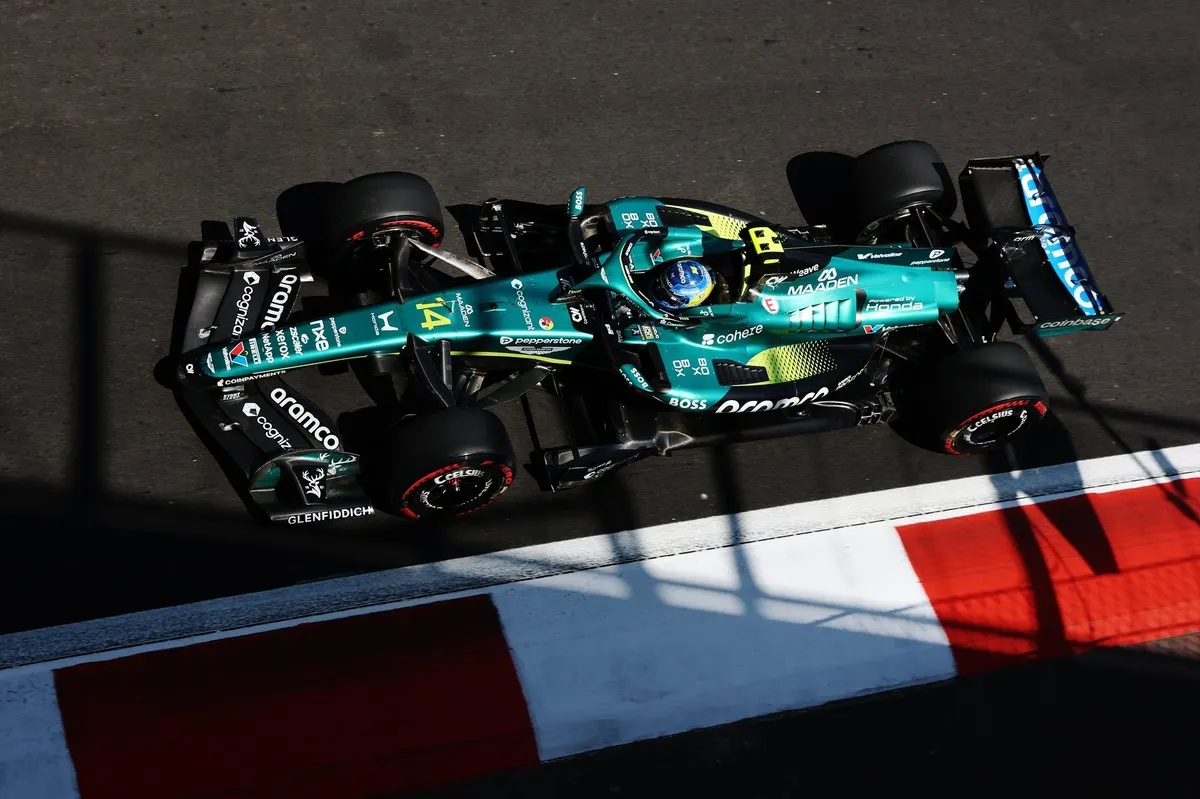
本田公布2027年F1动力单元关键变更
日本制造商为拉斯维加斯大奖赛引入了新的"对策",但表示将为2027年开发新的电池结构
在圣保罗大奖赛之后,本田仍无法完全解释拉塞尔·斯特罗尔的退赛。加拿大车手被迫退赛14次,平了单赛季退赛次数最多的纪录
在拉斯维加斯大奖赛前,本田对电池故障进行了更多调查,首席工程师奥里哈拉在接受Motorsport.com采访时解释说:"在巴西之后,我们对电池进行了检查,发现了一些预期中的问题。"
“这是一种可以预见的故障。我们以为我们为巴西赛事采取了对策,但那不足以防止电池问题发生。”
“然后对于这次赛事,我们带来了另一个对策以获得更好的可靠性。我无法解释具体的细节,但在巴西大奖赛之后,我们进行了检查并发现了问题所在。”
日本工程师立即补充说,他不清楚为拉斯维加斯引入的额外措施是否足以防止问题再次发生。”
“我们为这次赛事带来的对策可能,怎么说呢,并不能完全防止问题发生。我们仍然需要获得完整的图片和理解。”
奥伊哈拉还透露,电池将是本田明年将进行改变的领域之一。这家以樱花为基地的制造商将不再仅仅依赖对策,而是寻求从根本上解决问题。
Shintaro Orihara,本田赛车公司赛道总经理兼首席工程师
“但对于2027年,我们将更新电池内部结构以提高可靠性。我们仍在樱花进行相关工作,但他们意识到他们需要提高电池的可靠性以应对明年。”
“同时,我们还需要继续为今年带来对策,以确保良好的可靠性并在汽车上积累更多里程。”
'结构'这个词理论上可以指几个方面,但当被要求澄清时,本田确认它指的是'能量存储的内部结构,以增加鲁棒性和整体可靠性'。
在斯特罗尔在巴西退赛之前,这种改变的需要就已经很明显了,尽管オリハラ解释说,从最新的失败中吸取的教训仍然可以用来改进2027年的动力单元。
“对于我们的2027年电池,我们开发了另一种结构,但我们可以从今年遇到的问题中吸取一些东西来提高我们的可靠性。”
“所以这并不是直接导致2027年的改变,但在某些方面,我们可以从今年的可靠性中学习。这就是我们为什么不断采取对策来提高我们的可靠性。这也会帮助我们明年。”
之前的燃烧突破在2026年的规则下不再有效
虽然电池更换主要是为了提高可靠性,但在纯粹性能方面,本田的焦点仍然在于内燃机。
大原在接受Motorsport.com采访时已经解释过,如果内燃机的纯粹动力显著不足,那么提高能量管理或效率就没什么用了,这就是为什么这仍然是2027年的关键焦点。
费尔南多·阿隆索,阿斯顿·马丁车队,阿维德·林德布拉德,小红牛(小红牛)
首席工程师在拉斯维加斯承认,在当前的规定下,燃烧方式与之前有所不同,这意味着本田不能再使用之前周期中的一些经过验证的解决方案。这最初让制造商走上了错误的道路。
"在之前的规定下,我们发现了一种我们称之为快速燃烧的燃烧方式。这给了我们在那些规定下很多性能," 大矢承认。
"我们开始为今年进行开发,所以对于这个规定,我们也采用了快速燃烧,但后来我们意识到我们需要在快速燃烧的基础上进一步提高燃烧效率。
"现在我们仍在努力克服快速燃烧。这是我们目前和未来关注的重点。快速燃烧给我们带来了良好的性能,但有时管理燃烧本身是一项挑战。"
"在这个规则下,主要的区别是我们不再有气缸压力传感器。根据这个规则,我们需要找到一些其他的燃烧方式来获得更多的性能,这是我们正在努力改进的一个领域。"
"最后,大原承认本田在某些时候的绝对峰值功率达到了要求水平,但控制它并持续地提供它仍然特别具有挑战性。"
"如果我们有良好的控制,我们可以在更宽的范围内保持峰值功率。但如果我们没有良好的控制,我们只能得到峰值功率,但没有那个更宽的范围,扭矩输出或扭矩精度就会降低。所以,是的,我们需要在这个规则下提高燃烧控制和燃烧性能。"
英文原文
Honda reveals key F1 power unit change for 2027
The Japanese manufacturer has introduced a new "countermeasure" for the Las Vegas Grand Prix, but says it will develop a new battery structure for 2027
Immediately after the Sao Paulo Grand Prix, Honda was still unable to fully explain Lance Stroll's DNF. The Canadian was forced to retire for the 14th time, equalling the all-time record for the most retirements in a single Formula 1 season.
Ahead of the race weekend in Las Vegas, Honda has gathered more information about the battery failure, with chief engineer Shintaro Orihara explaining when asked by Motorsport.com about the problem: "After Brazil, we have done some inspection on the battery and we found, as expected, what happened.
"It's a kind of expected issue. We thought we applied a countermeasure for Brazil, but that was not enough to prevent a battery issue from happening.
"Then for this event, we brought another countermeasure to get better reliability. I can't explain the exact details of it, but after the Brazilian GP, we did the inspection and found out what happened."
The Japanese engineer immediately added that he was not sure whether the additional measure introduced for Las Vegas would be enough to prevent a repeat of the problem.
"The countermeasure we brought to this event will probably, how to say, not fully prevent it. We still need to get a complete picture and understanding."
Orihara also revealed that the battery will be one of the areas Honda changes for next year. The Sakura-based manufacturer will no longer rely solely on countermeasures, instead seeking to address the problem more fundamentally.
Shintaro Orihara, Honda Racing Corporation Trackside General Manager and Chief Engineer
"But for 2027, we will update the structure inside the battery to have better reliability. We're still working on it in Sakura, but they realised that they need to improve reliability of battery for next year.
"And we need to keep bringing countermeasures for this year as well, to have good reliability and to accumulate more mileage on the car."
The word 'structure' could theoretically refer to several aspects, but when asked for clarification, Honda confirmed that it concerns "the internal structure of the energy store to increase robustness and overall reliability".
The need for this change had already become apparent before Stroll's retirement in Brazil, although Orihara explained that the lessons learned from the latest failure can still be used to improve the 2027 power unit.
"For our 2027 battery, we developed another structure, but we can still learn something from this year's issue to improve our reliability.
"So it was not directly leading [to the change for 2027], but in some areas, we can learn from this year's reliability. That's why we keep bringing countermeasures to improve our reliability. That will help us for next year as well."
Previous combustion breakthroughs no longer work under 2026 rules
While the battery change is primarily intended to improve reliability, Honda's focus in terms of outright performance remains on the internal combustion engine.
Orihara has already explained in an interview with Motorsport.com that improving energy management or efficiency is of little use if the ICE is significantly lacking in outright power, which is why that remains the key focus for 2027.
Fernando Alonso, Aston Martin Racing, Arvid Lindblad, Racing Bulls
The chief engineer acknowledged in Vegas that combustion works somewhat differently under the current regulations than it did previously, meaning Honda could no longer use some of the tried-and-tested solutions from the previous cycle. This initially sent the manufacturer down the wrong path.
"Under the previous regulations, we found what we call rapid combustion. That gave us a lot of performance under those regulations," Orihara admitted.
"We started our development for this year, so for this regulation, with the rapid combustion as well, but then we realised that we needed to improve combustion further beyond the rapid combustion.
"Still now, we are on the way to overcome rapid combustion. That is what we are focusing on now and for the future. Rapid combustion gave us good performance, but sometimes it's challenging to manage the combustion itself.
"The main difference under this regulation is that we no longer have a cylinder pressure sensor. Under this regulation, we need to find some other combustion style to get more performance and that's an area we are working on to improve."
Finally, Orihara acknowledged that Honda's outright peak power is at the required level at times, but that controlling it and delivering it consistently remains particularly challenging.
"If we have good control, we can keep that peak power in a wider range. But if we don't have good control, we just get peak power, but without that wider range, there’s less torque delivery or torque accuracy. So yes, we need to improve combustion control and combustion performance under this regulation."
Motorsport.com ·
内容来自公开信源,聚合内容版权归原作者与来源所有。